

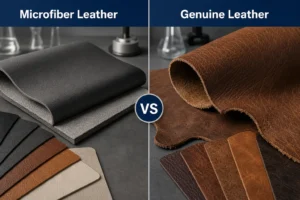
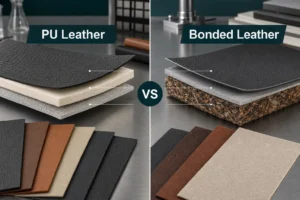
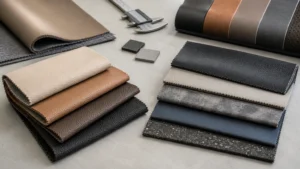
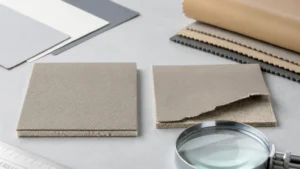
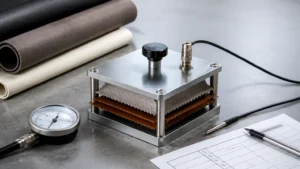
Microfiber leather vs genuine leather is a practical material comparison for sofas, car interiors, shoes, bags, and many other products. Genuine leather is made from animal hide and is valued for natural grain, premium feel, and traditional appeal. Microfiber leather is a high-performance synthetic leather made with a microfiber base and a surface finishing system, offering better consistency, easier cleaning, and stronger customization options. The better choice depends on the product, budget, durability target, maintenance needs, and whether buyers value natural leather character or engineered performance.
For B2B buyers, the real question is not simply which material sounds more premium. A furniture brand may need large panels with consistent grain and color. An automotive interior project may need heat, odor, fogging, abrasion, and cleaning performance. A shoe or bag producer may care about flex, tear strength, edge behavior, color matching, and stable supply. Both materials can work well, but they solve different problems.
Microfiber Leather vs Genuine Leather: Quick Answer
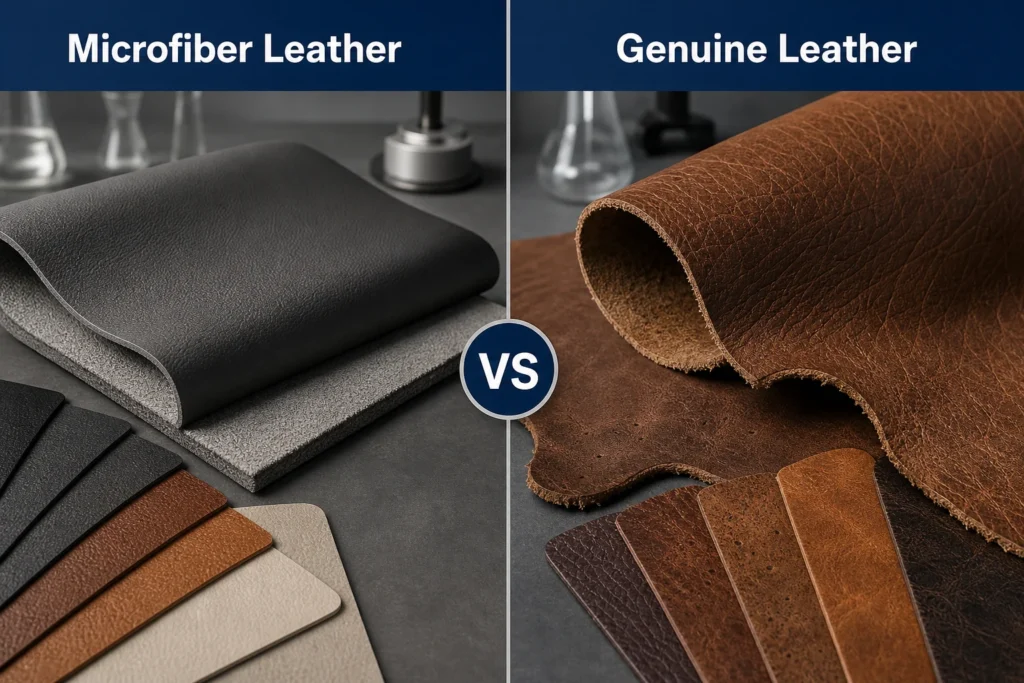
Microfiber leather and genuine leather are not the same material. Genuine leather is made from animal hide. Microfiber leather is a synthetic leather material built around a microfiber base and a surface coating or finishing system. Genuine leather offers natural variation, traditional prestige, and a recognizable leather character. Microfiber leather offers engineered consistency, easier customization, easier care, and more predictable batch control.
In many commercial projects, microfiber leather can be a strong alternative when buyers need consistent color, controlled texture, stable thickness, lower maintenance, and application-specific performance. Genuine leather may still be preferred when the product depends on natural grain, premium positioning, or traditional leather identity. A fair microfiber leather vs genuine leather decision should compare actual samples, application needs, and test data instead of relying only on the material name.
| Question | Short answer |
|---|---|
| Are they the same? | No. |
| Which is natural animal hide? | Genuine leather. |
| Which is engineered synthetic leather? | Microfiber leather. |
| Which is easier to customize? | Usually microfiber leather. |
| Which has natural grain variation? | Genuine leather. |
| Which should buyers test before bulk orders? | Both materials. |
What Is Microfiber Leather?
Microfiber leather is a synthetic leather material made with a microfiber base and a surface finishing system. The microfiber base gives the material a dense, flexible structure, while the surface layer provides the desired color, grain, touch, and appearance. Depending on formulation and process, microfiber leather can be designed for upholstery, automotive interiors, shoes, bags, sports goods, electronic cases, and other applications.
Buyers researching what microfiber leather is should understand that not all microfiber leather is the same. Performance depends on fiber structure, coating system, backing design, thickness, finishing quality, and the target application. A microfiber leather made for fashion bags may not be the same as one made for car seats or sofa upholstery.
The key commercial advantage is engineering control. Color, grain, softness, thickness, hand feel, backing, and performance can often be specified more consistently than natural leather. This makes microfiber leather attractive for brands that need repeatable production across batches, colors, and product lines.
What Is Genuine Leather?
Genuine leather is made from animal hide. It is valued for natural grain, visible character, traditional leather smell, and a premium perception in many markets. Depending on the type and finishing process, genuine leather may include full-grain, top-grain, split leather, corrected-grain leather, or other grades. These grades do not perform the same way, so genuine leather should not be treated as one fixed quality level.
The natural character of genuine leather can be an advantage. Natural grain, pores, slight scars, and color variation can make every hide look unique. Over time, some genuine leather products may develop a patina that buyers see as desirable. This is why genuine leather remains important in luxury goods, premium furniture, and certain footwear or bag markets.
However, natural variation also creates challenges for bulk production. Hide size, defects, usable cutting area, color matching, maintenance requirements, and cost can be less predictable. For large commercial projects, these factors may matter as much as the initial appearance.
Microfiber Leather and Genuine Leather Difference: Structure and Performance
The most important difference is structure. Microfiber leather is engineered from a synthetic base and a controlled surface system. Genuine leather comes from animal hide and is then tanned, finished, colored, embossed, or corrected depending on grade and intended use. Both can look premium, but they behave differently during production and long-term use.
| Factor | Microfiber leather | Genuine leather |
|---|---|---|
| Source | Synthetic microfiber base and coating | Animal hide |
| Appearance | Can imitate leather grain consistently | Natural grain and variation |
| Consistency | Strong batch consistency | Natural variation between hides |
| Customization | Strong for color, texture, thickness, backing, and hand feel | More limited by hide quality and finishing |
| Cleaning | Often easier to wipe and maintain | Usually needs more careful leather care |
| Cost control | Usually easier to control | Often higher and more variable |
| Buyer focus | Coating, base strength, tests, and application fit | Leather grade, finishing, thickness, and care needs |
This difference affects sourcing. A buyer ordering genuine leather must manage hide selection, natural variation, cutting yield, and finishing consistency. A buyer ordering microfiber leather must define construction, surface finish, backing, thickness, color, and performance tests. Neither route should be approved from a photo alone.
Which Is More Durable?
High-quality genuine leather can last a long time with proper care, especially when the leather grade, finishing, and product design match the application. It can resist years of use in furniture, shoes, and bags when maintained correctly. But genuine leather can also dry, crack, stain, fade, stretch, or absorb oils if used or cleaned incorrectly.
High-quality microfiber leather can also be durable, particularly when abrasion resistance, flex performance, coating adhesion, hydrolysis resistance, and cleaning stability are designed for the final product. Buyers asking whether microfiber leather is durable should focus on test data and use conditions. Microfiber leather may perform especially well when a product needs consistent surface quality and easier maintenance across large production runs.
The honest answer is that durability depends on quality level and application. Low-quality genuine leather can fail early. Low-quality microfiber leather can also peel, crack, or wear out. For a useful microfiber leather vs genuine leather comparison, buyers should test samples under real conditions rather than assuming one material category always lasts longer.
Microfiber Leather vs Genuine Leather for Sofas
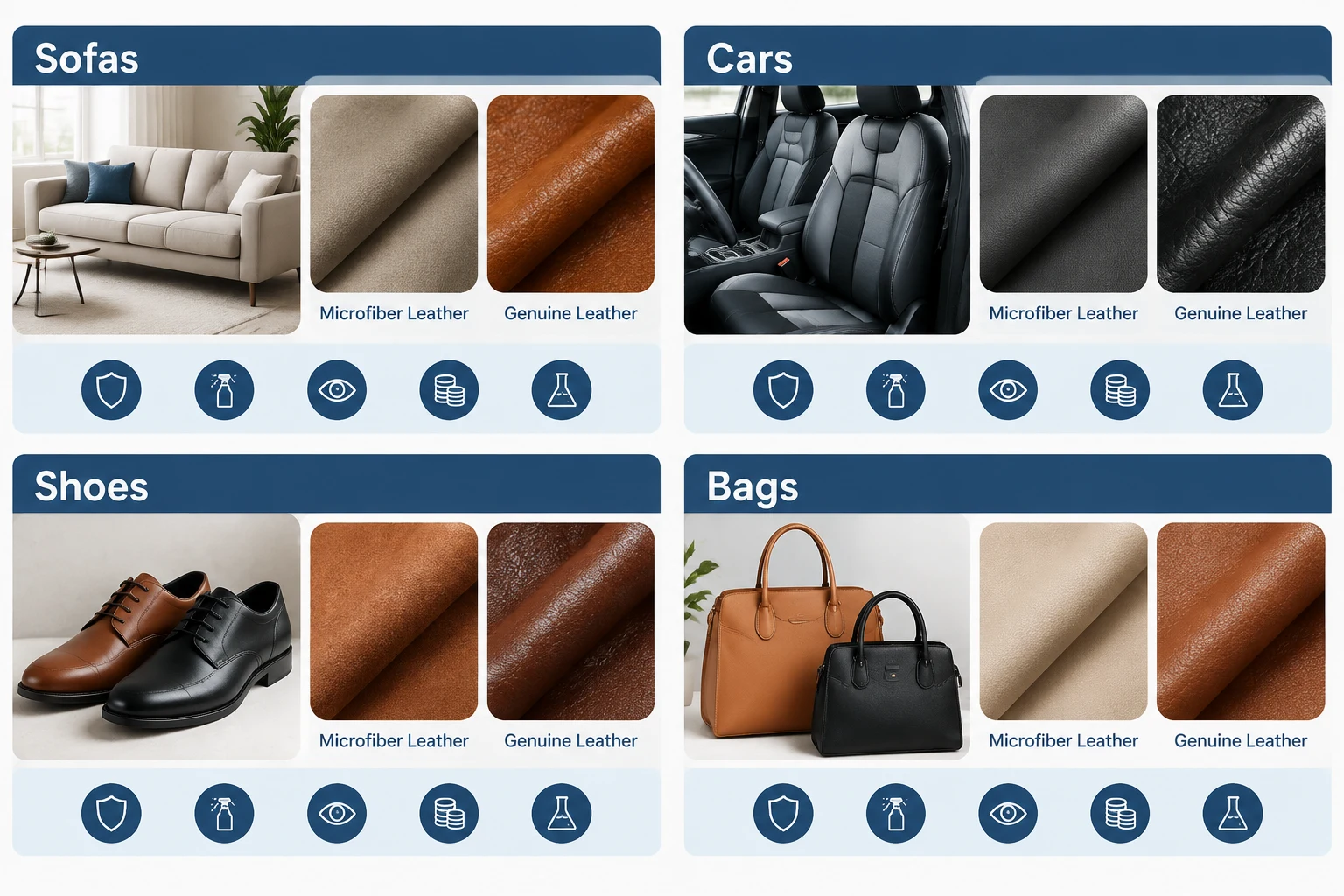
Sofas create demanding conditions because upholstery surfaces face body weight, friction, sweat, body oils, cleaning, sunlight, and long contact time. Genuine leather offers a natural premium look, and many buyers like its feel and aging character. However, it may need careful maintenance, and natural variation can make large sofa panels harder to match perfectly.
Microfiber leather can be a strong sofa material when buyers need consistent grain, repeatable color, easier cleaning, and stable production. Large furniture panels often benefit from uniformity. For furniture buyers comparing furniture leather fabric options, microfiber leather should be evaluated by abrasion resistance, flex performance, surface finish stability, hydrolysis resistance, backing strength, color fastness, and cleaning behavior.
The better sofa material depends on the buyer’s positioning. If the product sells on natural leather prestige, genuine leather may fit the brand story. If the product needs predictable production, easier cleaning, lower maintenance, and consistent appearance, microfiber leather may be more practical.
Microfiber Leather vs Genuine Leather for Car Interiors
Car interiors have different requirements from home furniture. Materials may face heat, sunlight, repeated friction, odor control, fogging requirements, cleaning chemicals, pressure, and long-term contact. Genuine leather can deliver a luxury look, but it often requires higher material cost and careful maintenance. Natural variation may also be harder to manage when large interior sets must match.
Microfiber leather can be engineered for automotive consistency. It can be specified for surface feel, grain, color, thickness, backing, cleanability, and durability targets. For automotive buyers comparing car upholstery leather materials, the right decision should be based on heat aging, abrasion, odor, fogging, color fastness, cleaning resistance, and supplier consistency.
In this application, the material name is not enough. A premium car interior needs reliable performance under heat and daily use. Both microfiber leather and genuine leather must meet the design, comfort, and durability requirements of the project.
Microfiber Leather vs Genuine Leather for Shoes and Bags
Shoes and bags place stress on material edges, folds, seams, and surfaces. Shoes need flex resistance, tear strength, abrasion resistance, shape stability, and comfort. Bags need scratch resistance, color consistency, stitching performance, edge finishing, and the right balance between softness and structure.
Genuine leather can feel premium and natural in shoes and bags. It may develop a personal character over time, which is valued in some markets. However, it can be more expensive, and consistency across colors, panels, and batches can be harder to control. It may also require more careful maintenance by end users.
Microfiber leather can offer a more uniform surface, controlled thickness, stable color, and easier sourcing at scale. For brands producing repeated styles, this consistency can reduce matching problems and simplify product planning. Still, the material must be tested for folding, stitching, edge behavior, surface wear, cleaning, and long-term use.
Cost, Maintenance, and Sustainability Considerations
Cost is one of the main reasons buyers compare microfiber leather and genuine leather. Genuine leather often has higher and more variable costs because of hide quality, usable cutting area, finishing, and market supply. Microfiber leather can be easier to cost-plan because the material structure and production specifications are more controllable.
Maintenance is another important difference. Genuine leather usually needs more careful care, including proper cleaning methods, moisture control, and sometimes conditioning. Microfiber leather is often easier to wipe and maintain, especially in applications where end users want simple cleaning. However, harsh chemicals, high heat, and wrong cleaners can still damage synthetic surfaces.
Sustainability should be discussed carefully. Genuine leather involves animal hide sourcing and tanning processes. Microfiber leather involves synthetic polymers, production chemistry, durability, and replacement cycles. Buyers comparing microfiber leather and PU leather differences should avoid broad claims and instead ask about the material system, production process, durability target, compliance requirements, and actual application life.
How Buyers Should Choose the Right Material
Define the final product first
The same material cannot serve every product equally well. Sofas, car interiors, shoes, bags, grips, medical products, and electronics accessories all need different performance. Before choosing, define the product, price range, user environment, cleaning method, expected lifetime, and design language.
Check material structure
For microfiber leather, check microfiber base, coating system, thickness, backing, grain, softness, and surface treatment. For genuine leather, check leather grade, hide quality, thickness, finish type, surface correction, and care requirements. The name alone does not prove quality.
Request samples and test data
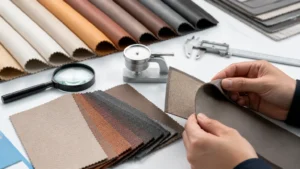
Ask for samples before approving bulk production. Useful test categories may include abrasion resistance, flex resistance, tear strength, hydrolysis resistance, coating adhesion, color fastness, cleaning stability, odor, fogging, and surface wear. Not every product needs every test, but the chosen tests should match the application.
Compare maintenance expectations
If end users are willing to maintain natural leather carefully, genuine leather may fit certain premium products. If the target user needs easier cleaning and lower maintenance, microfiber leather may be more practical. Commercial spaces, public seating, automotive interiors, and frequently used bags often need simple care.
Do not choose by material name alone
Material labels are broad. A high-quality microfiber leather may outperform a low-quality genuine leather in some uses, while a premium genuine leather may be the better choice for products built around natural luxury. The right choice depends on sample behavior, test evidence, supplier consistency, and final use.
FAQ
Is microfiber leather the same as genuine leather?
No. Genuine leather is made from animal hide, while microfiber leather is a synthetic leather material made with a microfiber base and surface finish.
Is microfiber leather better than genuine leather?
It depends on the application. Microfiber leather can be more consistent, easier to clean, and easier to customize, while genuine leather offers natural grain and traditional premium appeal.
Does microfiber leather last longer than genuine leather?
High-quality versions of both can last well. Durability depends on material grade, coating or finishing quality, backing or hide structure, maintenance, and use conditions.
Which is better for sofas?
Microfiber leather can be a strong choice for sofas when buyers need cleanability, consistency, and controlled performance. Genuine leather may be preferred when natural luxury appearance is the main priority.
Which is better for car interiors?
Car interiors require heat, odor, fogging, abrasion, and cleaning performance. Microfiber leather can be engineered for these needs, but the final choice should be based on test data and design requirements.
What should buyers check before choosing microfiber or genuine leather?
Buyers should check samples, material structure, thickness, surface finish, abrasion resistance, flex performance, cleaning stability, color fastness, and the final product application.
Conclusion: Choose by Product Use, Not Material Name Alone
The right conclusion in a microfiber leather vs genuine leather comparison is that the better material depends on the product. Genuine leather offers natural texture, traditional premium appeal, and animal-hide character. Microfiber leather offers engineered consistency, easier customization, easier maintenance, and strong application-specific performance.
Buyers should compare product use, durability target, maintenance expectations, cost, appearance requirements, supplier consistency, and test data. If you are comparing microfiber leather vs genuine leather for sofas, car interiors, shoes, bags, or custom products, Taite can help you evaluate material structure, coating, backing, thickness, texture, color, and performance requirements before bulk production. Contact us to request samples or discuss a custom synthetic leather solution for your application.