


Quick Answer
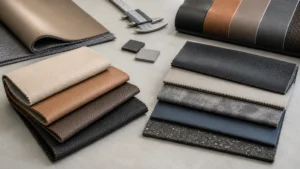
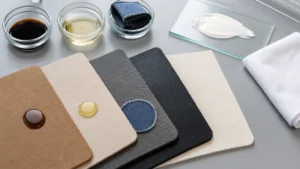
Fabrics that look like leather include PU leather, PVC leather, microfiber leather, suede-like synthetic fabric, coated textiles, and some embossed or laminated fabrics. The best choice depends on whether the application needs softness, durability, water resistance, breathability, easy cleaning, or a premium leather-like appearance. For furniture, bags, shoes, garments, and automotive interiors, buyers should compare surface feel, backing fabric, thickness, abrasion resistance, and long-term peeling performance.
In recent years, a growing trend in furniture upholstery and fashion has been the popularity of fabrics that mimic the luxurious appearance of leather. These innovative textiles provide an appealing alternative for those seeking the aesthetic charm and sophistication of leather without its cost, maintenance, or ethical considerations. But what exactly is this fabric, and how closely does it resemble genuine leather? Let’s delve into the fascinating world of leather-look fabrics.
Understanding Faux Leather
Faux leather, also known as synthetic leather or vegan leather, is primarily the fabric that most convincingly replicates the look and feel of genuine leather. There are several types of faux leather, each produced through distinct manufacturing processes:
- Polyurethane Leather (PU Leather)
Polyurethane leather, or PU leather, is a synthetic material made by coating a fabric base (often cotton or polyester) with a polyurethane finish. This type of faux leather closely mimics genuine leather’s texture, flexibility, and appearance. It is softer and more breathable than other synthetic leathers, offering greater comfort, especially in furniture upholstery.
2.Polyvinyl Chloride Leather (PVC Leather)
PVC leather is another common synthetic leather, created by coating fabric with a polyvinyl chloride layer. While durable and waterproof, PVC tends to be stiffer and less breathable than PU leather. Although it provides a glossy finish that can resemble leather, its texture often feels more artificial to the touch.
3.Microfiber Leather
Microfiber leather is an innovative fabric that uses ultra-fine fibers to replicate the texture and appearance of real leather closely. This type of faux leather is highly regarded for its superior breathability, durability, and softness, making it particularly popular in furniture, automotive upholstery, and fashion accessories.
Benefits of Leather- Like Fabrics
- Cost-Effectiveness
Leather-look fabrics are generally more affordable than genuine leather, allowing consumers to enjoy a luxurious appearance without a significant financial investment.
2.Ethical and Sustainable
Faux leather appeals strongly to individuals concerned about animal welfare and sustainability. Synthetic alternatives avoid animal exploitation and frequently have a lower environmental impact, especially when manufactured responsibly.
3.Ease of Maintenance
Unlike genuine leather, faux leather typically requires minimal upkeep. It’s usually resistant to stains, easy to clean, and less prone to fading or discoloration from prolonged exposure to sunlight or heat.
4.Versatility and Customization
Faux leather fabrics offer an extensive range of colors, textures, and finishes. This flexibility allows greater creativity in interior design, fashion, and accessory production, enabling consumers to select styles closely aligned with their personal preferences.
Applications of Faux Leather Fabrics
- Furniture Upholstery
One of the most common uses for faux leather is in sofas, chairs, and ottomans. The material’s durability and aesthetic appeal make it an ideal choice for living rooms, offices, and commercial spaces like cafes and restaurants.
- Fashion Industry
Faux leather is widely used in clothing, footwear, handbags, and accessories. It enables fashion designers to produce stylish and affordable products with ethical considerations in mind, appealing to a broad market of environmentally and socially conscious consumers.
- Automotive Industry
Due to its durability, comfort, and ease of maintenance, faux leather is frequently chosen for car seats, interiors, and other vehicle upholstery components.
How Realistic is Faux Leather?
The realism of faux leather depends significantly on its quality and manufacturing method. High-quality PU leather and microfiber leather can closely mimic the softness, grain patterns, and visual characteristics of genuine leather, making it difficult even for experts to distinguish at first glance.
Lower-quality faux leathers, particularly PVC, might look less convincing due to their shinier, plastic-like appearance and stiffer feel. Thus, consumers seeking the closest possible resemblance to real leather often choose higher-grade PU or microfiber options.
Environmental Considerations
While faux leather often positions itself as a more sustainable and ethical choice compared to genuine leather, environmental impacts vary depending on production methods. Synthetic leathers derived from petrochemicals can have ecological drawbacks related to manufacturing and disposal. However, new innovations and increased focus on sustainable production methods are helping to mitigate these issues. Emerging alternatives like plant-based leathers (made from materials like pineapple, mushroom, or apple fibers) are further broadening eco-friendly possibilities in the faux leather market.
Care and Maintenance Tips
Faux leather requires minimal care to maintain its appearance:
- Clean regularly using mild soap and water.
- Avoid harsh chemicals that may degrade the synthetic surface.
- Protect the fabric from prolonged exposure to direct sunlight and heat sources to prevent discoloration and cracking.
Use protective sprays specifically formulated for faux leather to enhance durability.
Conclusion
Leather-look fabrics provide an appealing, versatile, and practical alternative to genuine leather. Whether you choose PU leather, microfiber leather, or emerging sustainable alternatives, these materials offer an excellent balance between aesthetics, functionality, affordability, and ethical considerations. As technological advances continue to enhance the realism and sustainability of faux leather, this innovative fabric is likely to remain an attractive choice for consumers, designers, and manufacturers alike.
FAQ
What is the most common fabric that looks like leather?
PU leather is one of the most common leather-like fabrics because it offers a soft hand feel, flexible surface, and wide range of colors and textures.
Is faux leather a fabric?
Faux leather is usually a coated fabric. A textile backing is covered with PU, PVC, or another synthetic surface layer to create a leather-like look.
Which leather-like fabric is best for upholstery?
PU leather and microfiber leather are popular for upholstery because they can offer a comfortable feel, good appearance, and suitable durability when properly specified.
Long-Tail Questions Buyers Also Ask
- What fabric looks most like real leather? High-quality microfiber leather and premium PU leather usually provide the closest leather-like appearance and touch.
- Is faux leather a fabric? Yes. Faux leather is usually a coated textile backing made with PU, PVC, silicone, or microfiber structures.
- What is leather-look fabric called? Common names include faux leather, synthetic leather, artificial leather, PU leather, PVC leather, and microfiber leather.
- Which leather-look fabric is best for furniture? Furniture usually needs softness, abrasion resistance, easy cleaning, and stable color performance.
- Which leather-look fabric is best for shoes and bags? Shoes and bags need flexibility, peeling resistance, seam strength, and good surface durability.
Related Reading and Material Links
For comparison, read PU leather vs PVC leather, PU leather durability, and PU leather water resistance. For product selection, review PU leather, microfiber leather, and silicone leather.