


Quick Answer
PU leather commonly lasts about 2 to 5 years in normal use, but high-quality PU leather can last longer when the coating, backing fabric, thickness, and care conditions are appropriate. Heat, sunlight, humidity, abrasion, harsh cleaners, and poor storage can shorten its life. Buyers should specify hydrolysis resistance, abrasion performance, flex resistance, and application requirements before ordering.
So, you’ve got your hands on some stylish PU leather, and you’re feeling pretty good about that sleek, modern look. But then, the inevitable question hits: How long is this going to last before it starts cracking like a cookie in the sun? Well, fear not—while PU leather might not be immortal, it’s tougher than you might think (with a little TLC, of course). Think of it as the cool, low-maintenance friend who’s always on-trend but doesn’t need to hog the spotlight for decades. In this guide, we’ll explore how PU leather holds up against time, daily wear, and life’s little accidents—and how you can keep it thriving for years. Spoiler alert: a little care goes a long way!
Durability in Style: How PU Leather Stands the Test of Time
PU leather is known for its sleek and stylish appearance, making it a popular choice in fashion, furniture, and accessories. But how well does it hold up over time? Generally, PU leather is durable enough to last several years with proper care, though it doesn’t have the longevity of genuine leather. Its synthetic nature gives it an edge when it comes to resisting stains, water, and scratches, which makes it easier to maintain. However, unlike real leather, it doesn’t develop the same kind of patina and character as it ages. That said, PU leather is perfect for those seeking a fashionable option without the heavy maintenance of genuine leather.
Longevity of PU Leather: What to Expect from Your Faux Leather Goods
On average, PU leather can last anywhere from 3 to 5 years, depending on how it’s used and maintained. Items that face daily wear and tear—like bags, shoes, or sofas—may start showing signs of aging sooner, while less frequently used goods can last much longer. The material’s synthetic coating gives it a protective barrier, but this also means it doesn’t breathe like real leather. Over time, exposure to heat, humidity, or harsh conditions can lead to cracking or peeling. However, with the right care—such as cleaning with a soft cloth, avoiding excessive moisture, and keeping it away from direct sunlight—you can extend the life of your PU leather items and keep them looking great.
Cracking, Peeling, or Thriving? The Lifespan of PU Leather
One of the biggest concerns with PU leather is its tendency to crack or peel as it ages. This typically happens when the polyurethane coating begins to degrade due to exposure to heat or sunlight, or from overuse. Unlike genuine leather, which can be conditioned to restore its softness, PU leather doesn’t have the same resilience. However, with some preventative care, you can help avoid early signs of wear. Regularly cleaning and applying PU leather-friendly conditioners can preserve its appearance. While PU leather may not last forever, with proper attention, it can still thrive for years, providing you with a stylish and cost-effective alternative to real leather.
Maximizing the Life of PU Leather: Tips for Long-Lasting Looks
While PU leather doesn’t naturally age as gracefully as genuine leather, you can still extend its lifespan with proper care. The key to maximizing the life of PU leather is in routine maintenance. Start by keeping it clean—use a damp cloth to wipe away dirt or spills as soon as they occur. Regular dusting and avoiding exposure to direct sunlight or heat can help prevent cracking or peeling. Applying a specialized conditioner every few months can also maintain its flexibility and prevent it from drying out. Most importantly, store your PU leather items properly, avoiding overly humid or dry environments, which can accelerate wear and tear. With these easy steps, your PU leather can stay looking sharp for years, maintaining its faux leather appeal.
PU Leather vs. Genuine Leather: How Does It Compare Over Time?
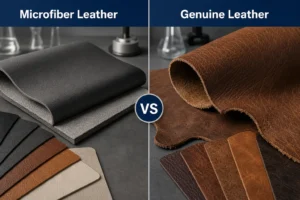
When it comes to longevity, PU leather and genuine leather tell two different stories. Genuine leather, made from animal hides, is known for developing a unique patina as it ages, often becoming softer and more visually appealing over time. It can last for decades if properly maintained, though it requires regular conditioning and is sensitive to moisture.
PU leather, on the other hand, tends to have a shorter lifespan, usually lasting anywhere from 3 to 5 years with regular use. It is less breathable than genuine leather and more prone to cracking, peeling, or discoloration with extended exposure to heat or UV light. However, PU leather is also more resistant to water and stains, making it a practical option for those who want the leather look without the intensive care routine of genuine leather.
Conclusion
At the end of the day, while PU leather might not live as long as its genuine counterpart, it sure knows how to put up a good fight. With proper care—like keeping it away from excessive heat, moisture, and the villainous UV rays—it can still maintain its chic, polished look for years. So, whether you’re using PU leather for a trendy bag, a comfy chair, or a pair of sleek shoes, remember that a little TLC goes a long way. Sure, it might not develop that “aged like fine wine” patina, but it gives you plenty of style without the heavy maintenance demands of real leather. Plus, who needs leather that lasts for decades when fashion changes every season? Keep it stylish, keep it clean, and your PU leather will keep turning heads!
FAQ
Why does PU leather peel over time?
Peeling can happen when the polyurethane coating loses adhesion because of heat, humidity, abrasion, aging, or harsh cleaning chemicals.
How can I make PU leather last longer?
Keep it dry, avoid direct sunlight and high heat, clean with mild soap, and prevent long-term friction or sharp scratches.
What should buyers check before ordering PU leather?
Ask for abrasion, hydrolysis, flexing, color fastness, thickness, backing fabric, and application-specific performance data.
Long-Tail Questions Buyers Also Ask
- Does PU leather peel over time? Low-grade PU leather can peel when coating adhesion, hydrolysis resistance, or abrasion resistance is weak.
- Why does PU leather crack? Cracking can come from heat, dryness, repeated flexing, poor coating quality, or harsh cleaning chemicals.
- Can PU leather last longer with better care? Yes. Gentle cleaning, fast drying, and avoiding strong solvents can extend service life.
- How long does PU leather last on sofas? Sofa lifespan depends on coating quality, foam/contact pressure, cleaning frequency, abrasion, and indoor humidity.
- How should buyers judge PU leather quality? Ask for abrasion, flexing, hydrolysis, seam strength, cold crack, and coating adhesion test data.
Related Reading and Durability Links
To evaluate lifespan more accurately, read synthetic leather flex testing, coating adhesion testing, and cold crack testing. For material choices, compare Taite’s PU leather, microfiber leather, and bag leather materials.