

When it comes to choosing materials for furniture, clothing, or accessories, one question often pops up: is leather more durable than fabric? Durability is a big deal—it determines how long your favorite sofa, jacket, or bag will stick around before showing signs of wear. But the answer isn’t black-and-white. Both leather and fabric have their strengths and weaknesses, and the winner depends on factors like quality, use, and care. In this blog post, we’ll break down the properties of leather and fabric, compare their durability in real-world scenarios, and explore what affects their lifespan. By the end, you’ll have a clearer idea of which material might suit your needs best.
What Does “Durable” Really Mean?
Before diving in, let’s define durability. It’s all about how well a material holds up over time against wear, pressure, or damage. A durable item resists tearing, fading, staining, and other wear-and-tear signs, keeping its look and function intact. Whether it’s a sofa surviving a busy household or a jacket enduring rough weather, durability is key. So, how do leather and fabric stack up?
The Lowdown on Leather
Leather comes from animal hides—usually cowhide—that are tanned and treated to become usable. It’s a natural material with a reputation for toughness, but not all leather is created equal. Here’s a quick rundown of the main types:
- Full-Grain Leather: The cream of the crop. Made from the top layer of the hide, it keeps the natural grain, making it super strong and long-lasting. With care, it can last decades.
- Top-Grain Leather: A step down, this type is sanded and finished to smooth out flaws. It’s still durable but not as rugged as full-grain.
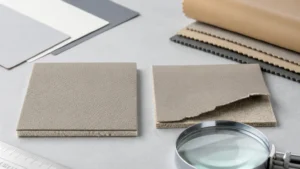
- Bonded Leather: Made from leather scraps glued together, it’s the budget option. It looks like leather but wears out faster, often peeling or cracking.
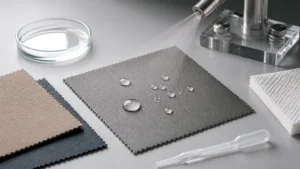
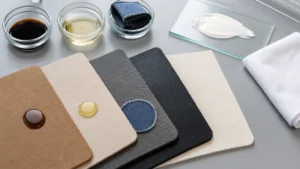
Leather’s strengths? It’s tough, resists tearing, and can develop a cool patina—a worn-in look some folks love. Spills wipe off easily, which is a win for furniture or bags. But it’s not perfect. Leather can scratch easily, and without regular conditioning, it might dry out and crack. Maintenance is a must.
Leather vs. Fabric: Head-to-Head
Let’s see how these materials compare in everyday situations.
Furniture: Sofas and Chairs
Leather sofas scream luxury and longevity. A high-quality one can last 10-20 years with proper care, shrugging off spills and resisting stains—perfect for homes with kids or messy eaters. But watch out: pet claws or sharp objects can scratch it, and it needs conditioning to stay supple.
Fabric sofas? Their durability depends on the weave and quality. A sturdy fabric sofa can hold up for years, but it’s more prone to stains and fading, especially in sunny rooms. Some fabrics come stain-resistant, and slipcovers can extend their life. Still, fabric often shows wear faster than leather under heavy use.
Winner: Leather edges out for long-term durability, but fabric holds its own with the right care.
Clothing: Jackets and Pants
Leather jackets are legends—think rugged bikers or stylish rebels. They handle abrasion like champs and can last decades, looking better with age. Fabric jackets vary: a cotton one might fade fast, but denim or nylon can take a beating too. Fabric wins on comfort, though—leather can feel heavy and hot, while fabric breathes better.
For pants, leather’s rare but tough (think motorcycle gear), while denim jeans are fabric’s durable darling. Still, leather’s upkeep and weight make fabric more practical for daily wear.
Winner: Leather for rugged longevity; fabric for versatility and comfort.
Accessories: Bags and Shoes
A leather bag or pair of shoes can be a lifelong companion. They resist wear and look classier over time, making them ideal for daily use. Fabric bags—like canvas totes—might fray or tear sooner, though they’re lighter and easier to clean. In shoes, leather’s a classic for its strength, but modern synthetic fabrics (think running shoes) are catching up, offering lightweight durability.
Winner: Leather takes it for timeless toughness, but fabric’s closing the gap.
What Affects Durability?
It’s not just about the material—other factors play a big role:
- Quality: High-quality leather (full-grain) or fabric (tight weaves) lasts longer than cheap versions. A bonded leather sofa won’t match a full-grain one, just like flimsy cotton can’t rival heavy canvas.
- Maintenance: Leather needs conditioning to avoid cracking; fabric might require gentle washing or spot-cleaning. Skip the care, and both will suffer.
- Usage: A sofa in a busy home wears out faster than one in a quiet den. Daily-worn shoes—leather or fabric—won’t last as long as occasional pairs.
So, Is Leather More Durable?
Here’s the verdict: leather is often more durable than fabric, thanks to its natural strength and wear resistance. It’s a top pick for items meant to last—like sofas, jackets, or bags—especially if you’re willing to maintain it. But fabric isn’t far behind. High-quality fabrics like canvas or denim can hold their own, and they bring comfort, variety, and sometimes easier care to the table.
The real answer depends on you. Need something tough that ages gracefully? Go leather. Want breathability or a specific style? Fabric might be your pick. Either way, quality and care are the secret sauce to making anything last.
What’s your take? Have a leather sofa that’s outlasted everything else, or a fabric jacket you swear by? Drop your thoughts below—I’d love to hear!