





Reupholstering a leather couch without removing the old fabric is a practical way to refresh its look without advanced upholstery skills. Here’s how you can do it, along with some tips to ensure success.
What You Need
You’ll need new fabric (about 9-12 yards, depending on the couch size), a heavy-duty staple gun with 20 or 22-gauge staples, a flathead screwdriver or drill, brad nails (optional), scissors, measuring tape, and safety gear like gloves and glasses.
Steps to Follow
- Prepare the Couch: Remove cushions and pillows, then flip the couch over. Use a screwdriver or drill to remove any screws or tack strips, but leave the old fabric in place.
- Lay Out the Fabric: Place the new fabric on a flat surface, design side down, and position the couch cushions on top to plan coverage.
- Secure the Fabric: Pull the fabric over the old fabric, starting at one end, and staple it to the wood frame every 4-6 inches. Fold corners neatly and add extra staples for a snug fit.
- Cover the Whole Couch: Continue for the back, sides, and seats, tucking fabric into folds for a smooth look. Use brad nails for extra hold if needed.
- Trim and Finish: Cut off excess fabric, leaving 1-2 inches to fold under, and secure. Flip the couch back and reattach any parts with original screws.
Unexpected Detail
Interestingly, you might need to retuck the fabric every few weeks, as leather’s smooth surface can cause the new fabric to slip, taking just 30 seconds to fix.
Tips for Leather
Choose a fabric that complements the leather’s color and texture, and be prepared for occasional retucking. Test your method on a small area first to ensure it works with the leather.
Introduction and Importance
Reupholstering a leather couch can breathe new life into a beloved piece of furniture, but the traditional method of stripping the old fabric can be time-consuming, messy, and require advanced upholstery skills. Fortunately, there’s a simpler way to refresh your leather couch without removing the old fabric. This method is perfect for those who want a quick transformation, lack experience in upholstery, or simply want to preserve the original structure of their couch. Below, I’ll guide you through the process step by step, ensuring your leather couch gets a fresh look while staying intact. The information is compiled from various expert sources, including Southern Crush at Home and A Butterfly House, ensuring reliable and effective methods.
Why Choose This Method?
There are several reasons why you might opt for reupholstering without removing the old fabric:
- Time-Saving: Traditional reupholstery involves removing all the old fabric, which can take hours or even days. By leaving the old fabric in place, you can complete the project in a fraction of the time, often under 5 hours
- Preserving Structure: If your couch has sentimental value or a unique frame, keeping the original structure intact is a great way to maintain its integrity.
- Cost-Effective: You’ll need less fabric since you’re not covering the entire frame, and you can avoid the cost of professional upholstery services.
- Beginner-Friendly: This method doesn’t require advanced sewing skills or specialized tools, making it accessible for DIY enthusiasts. as Southern Crush at Home suggests, it’s a hassle-free approach.
Step-by-Step Process
Follow these steps for a successful reupholstery:
Step 1: Prepare the Couch
- Remove all cushions and pillows from the couch to access the frame.
- Flip the couch over to access the underside.
- Use a flathead screwdriver or a heavy-duty drill to remove any existing tack strips or screws that hold the couch together. Be careful not to damage the frame, but leave the old fabric in place, “Remove couch cushions and pillows, leaving the old fabric in place.”
Step 2: Lay Out the New Fabric
- Lay your new fabric on a clean, flat surface with the design facing down, “Lay the new fabric on the floor or table, design facing down.”
- Place the couch cushions (with the old fabric still attached) on top of the new fabric. This will help you visualize how the fabric will cover the couch and ensure you have enough material.
Step 3: Secure the Fabric
- Starting at one end of the couch, pull the new fabric up and over the old fabric.
- Use a heavy-duty staple gun to attach the new fabric to the wood frame of the couch. Staple every 4 to 6 inches, ensuring the fabric is taut but not stretched too tightly. “Staple it to the wood bench using a heavy-duty staple gun, folding corners like gift wrap, adding extra staples for snugness.”
- At the corners, fold the fabric neatly, like wrapping a gift, and secure with extra staples for a clean finish.
Step 4: Cover the Entire Couch
- Continue covering the back, sides, and seat of the couch, pulling the fabric taut and stapling as you go.
- For areas like the arms or back, tuck the fabric into existing folds or creases to ensure a smooth fit. “Lay fabric over the back, tuck 6″-12″ into folds for tautness.”
- If using brad nails, they can provide additional security in areas where staples might not reach or hold as well, especially on leather’s smooth surface.
Step 5: Trim Excess Fabric
- Once the entire couch is covered, trim any excess fabric from the underside, leaving about 1-2 inches to fold under for a neat finish. “Cut off any excess fabric.”
- Secure the trimmed edges with staples or brad nails to ensure they stay in place.
Step 6: Reassemble the Couch
- Flip the couch back over and reattach any removed parts, such as the seat base, using the original screws, “Flip the couch back over and re-secure it to the cane couch frame using the original screws.”
- Replace the cushions and pillows to complete the look.
Tips for Leather Couches
Given that your couch is leather, consider the following tips to ensure success:
- Retucking: Leather has a smooth surface, which means the new fabric might come untucked over time, especially with frequent use. Plan to retuck the fabric every few weeks or as needed to maintain a neat appearance.“Everything still looks great! After a bunch of ‘reclines’ and ‘closes,’ the fabric will eventually work its way out of the folds, and you’ll have to re-tuck it back in. It takes about 30 seconds, and I’d say I have to do it about once a month.”
- Securing Method: Use a combination of staples and brad nails for maximum hold. Staples are great for flat surfaces, while brad nails can be used in areas with more give or where staples might not hold as well due to leather’s slickness.
- Test First: Before committing to the entire couch, test your fabric and securing method on a small, inconspicuous area to ensure it works well with the leather and doesn’t cause damage.
- Fabric Choice: Choose a fabric that complements the leather’s color and texture. Consider the durability and stretch of the fabric, as it will need to adhere well to the leather surface.
Choosing the Right Fabric
When selecting a new fabric for your leather couch, consider the following:
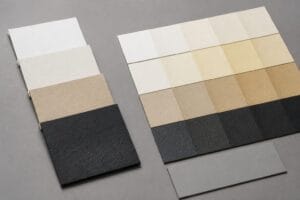
- Color and Pattern: Choose a fabric that complements the existing leather. If your couch has dark leather, a lighter fabric can create a striking contrast, while similar tones can blend seamlessly.
- Texture: Leather has a smooth texture, so pairing it with a fabric that has some texture, like velvet or linen, can add depth to the design.
- Durability: Since the fabric will be covering leather, which is durable, choose a fabric that can withstand regular use. Look for fabrics that are stain-resistant or easy to clean.
- Stretch: Some fabrics have stretch, which can make it easier to fit over the curves of the couch. However, ensure it’s not too stretchy, as it might not hold its shape over time.
- Breathability: Leather can trap heat, so a breathable fabric can help keep the couch comfortable, especially in warmer climates.
Safety Considerations
Work in a well-ventilated area to avoid inhaling any dust or debris from the couch. Wear gloves and safety glasses to protect yourself while using tools like the staple gun or drill. Ensure children or pets are kept away during the process to avoid accidents.
Conclusion
Reupholstering your leather couch without removing the old fabric is a practical and efficient way to give it a fresh look. By following these steps, you can achieve professional results without the need for advanced upholstery skills. Remember to take your time, work carefully, and enjoy the process of transforming your old couch into a new favorite piece. With the right fabric and a little effort, your leather couch can look as good as new while preserving its original charm.