


What do you need to know?
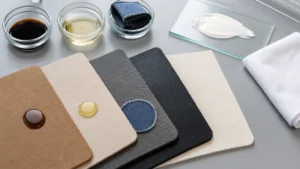
Fabric dyes are usually used for fabrics such as cotton or polyester, and are usually not suitable for leather. Whether it is natural leather (animal skin) or synthetic leather (such as PU leather), leather has different characteristics, which make it difficult for fabric dyes to adhere or color uniformly. This may result in uneven effects or damage to the leather.
Why is this important?
If you try to use fabric dyes on leather, you may end up with a color that fades quickly or looks incorrect. For natural leather, the surface may not be able to absorb dyes correctly, while for synthetic leather, the bonding effect between plastic substrates and fabric dyes is poor. On the contrary, you need specific leather dyes or products made from synthetic materials.
What should we do?
For optimal results, please use dyes formulated for leather. These dyes are designed to penetrate and adhere to the material, ensuring long-lasting color. For synthetic leather, please look for dyes suitable for plastic or vinyl as these dyes have better effects. Be sure to check the product description first and conduct testing on a small area first.
Unexpected details
You may not be aware that some products have a wide range of uses, both for natural leather and synthetic leather, and can provide dyeing solutions without the need to dye each type of leather separately.
Define fabric dyes and leather
- Fabric dyes: These are compounds used to dye fabrics and bond them to synthetic fibers such as cotton, wool, or polyester.
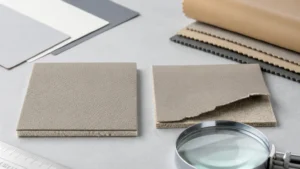
- Leather: including natural leather (derived from synthetic leather) and synthetic leather (usually made of polyurethane (PU) or polyvinyl chloride (PVC)). Natural leather has a porous collagen structure, while synthetic leather is a plastic based material with a smooth surface and no water absorption.
Compatibility between fabric dyes and natural leather
Research has shown that fabric dyes are often not suitable for natural leather due to material differences. The surface of natural leather is usually treated with oil or coating agents, and effective penetration of fabric dyes is not allowed. According to the Leather Dyes Guide, leather dyes are alcohol based and designed to penetrate the material. Afterwards, a sealant is required to prevent color loss, which is incompatible with fabric dyes.
The use of materials such as dyeing leather indicates that although Rit dye can be used for leather, it is necessary to omit fabric specific steps such as adding salt or vinegar, which can corrode the leather. This indicates that fabric dyes have not been optimized for leather, which may result in uneven or damaged colors.
Synthetic leather and fabric dyes
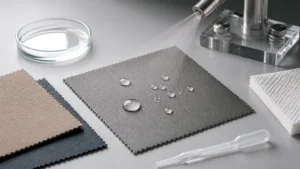
Synthetic leather is common in the business of users as manufacturers, which brings additional challenges. Synthetic leather is made of plastics such as PU or PVC and does not absorb dyes like fabrics. Acrylic coatings or specific synthetic dyes are suitable for synthetic fibers, but standard fabric dyes are ineffective. This is because synthetic leather has no pores on its surface, and fabric dyes cannot adhere correctly, often resulting in peeling or fading.
The impact on synthetic leather manufacturers
Understanding these dyeing challenges is crucial for manufacturers exporting to the EU and US markets. Retailers and end-users (such as furniture manufacturers or fashion brands) require materials that are easy to dye to meet market demand. Synthetic leather (such as PU leather) has cost-effectiveness, ease of maintenance, and environmental advantages, but its dyeing requires specific dyes. This knowledge can become a selling point, emphasizing the need for appropriate dyeing products in B2B transactions.
An unexpected detail is that modern synthetic leather production typically involves coloring during the manufacturing process, allowing for various colors and textures to be obtained without the need for additional dyeing, which can reduce customers’ post production costs and enhance market competitiveness.
Best practices for coloring synthetic leather
Given the ineffectiveness of fabric dyes, the following are recommended practices for coloring synthetic leather:
- Use dyes specifically designed for plastics or synthetic materials, such as VinylDye FAQ.
- Prepare the surface with primer to ensure adhesion.
- Firstly, conduct testing in a small area to avoid uneven results
- Consider the coloring options provided by the manufacturer during the production process to meet the color requirements of customers.
conclusion
In short, due to material incompatibility, fabric dyes do not work on leather (whether natural or synthetic). For synthetic leather, dyes specifically designed for plastic are needed to provide better adhesion and durability.