



In recent years, synthetic leather has become a go-to alternative to genuine leather, offering an affordable and ethical option for consumers. Two of the most widely used types of synthetic leather are PU (polyurethane) leather and PVC (polyvinyl chloride) leather. While both materials aim to replicate the look and feel of real leather, they differ significantly in terms of composition, texture, durability, environmental impact, and cost. This blog post explores these differences to help you decide which material suits your needs best.

Introduction to Synthetic Leather
Synthetic leather, often called faux leather, is a man-made material designed to mimic genuine leather. Its rise in popularity stems from its affordability, versatility, and the ethical concerns tied to animal-derived leather. Unlike real leather, which comes from animal hides, synthetic leather is crafted from plastic-based materials. Among the various types, PU leather and PVC leather stand out as the most common. Though they serve similar purposes, their unique properties set them apart in several key ways.
What Is PU Leather?
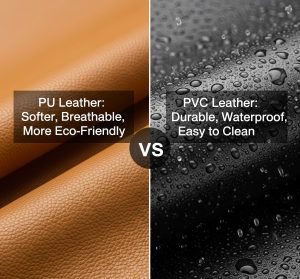
PU leather, or polyurethane leather, is created by coating a fabric base—typically polyester or cotton—with a layer of polyurethane. This process results in a material that closely resembles genuine leather in both appearance and texture. PU leather is celebrated for its softness, flexibility, and breathability, making it a top choice for premium products like jackets, handbags, and furniture upholstery.
Beyond its appealing qualities, PU leather is also more environmentally friendly than some synthetic alternatives. It’s easier to recycle and doesn’t emit harmful chemicals during production, adding to its appeal for eco-conscious consumers. Its durability and resistance to wear make it a practical option for items that see regular use.
What Is PVC Leather?
PVC leather, short for polyvinyl chloride leather, is another synthetic leather variant. It’s made by coating a fabric base with polyvinyl chloride, producing a material that’s stiffer and less breathable than PU leather. Thanks to its low production costs, PVC leather is commonly found in budget-friendly products like affordable furniture, car interiors, and certain fashion accessories.
While PVC leather can imitate the look of real leather, its texture often feels more plastic-like and less natural. It’s also less eco-friendly, as its manufacturing and disposal processes can release toxic chemicals, such as dioxins, into the environment.
Feel and Texture Comparison
When it comes to feel and texture, PU leather outshines PVC leather in comfort. Its flexibility and breathability give it a soft, supple quality that mirrors genuine leather, making it ideal for clothing and accessories that touch the skin. PVC leather, by contrast, feels more rigid and plastic-like, which can detract from its appeal in items where comfort matters most. For a luxurious, natural feel, PU leather is the clear winner.
Durability Comparison
In terms of durability, PU leather tends to perform better over time. It resists scratches and abrasions, making it a solid choice for frequently used items like bags or furniture. PVC leather, while sturdy at first, is more prone to cracking and peeling, especially in areas that flex or move a lot. If longevity is a priority, PU leather offers greater reliability.
Environmental Impact Comparison
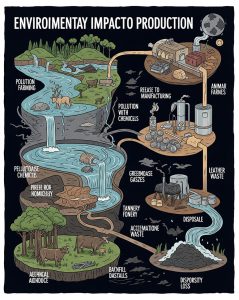
From an environmental standpoint, PU leather is the more sustainable option. It’s easier to recycle and avoids releasing harmful chemicals like dioxins during production or disposal. PVC leather, however, poses environmental risks, as its creation and incineration can release toxic substances. For those looking to minimize their ecological footprint, PU leather is a preferable choice.
Cost Comparison
Cost is a major factor distinguishing PU and PVC leather. PVC leather is cheaper to produce, which is why it’s often used in budget-friendly products. This affordability appeals to cost-conscious buyers. PU leather, though pricier, delivers superior quality, durability, and a premium feel, justifying the extra expense for those who can afford it. Your budget will likely play a big role in deciding between the two.
Common Uses
PU and PVC leather appear in a variety of products, but their applications differ:
PU leather shines in higher-end fashion items like jackets, shoes, and handbags, as well as in upholstery for furniture and car interiors. Its softness and durability make it a favorite for products where comfort and longevity matter.
PVC leather is typically used in lower-cost furniture, car seats, and some fashion accessories. It’s a practical choice when keeping expenses down is the main goal, even if it sacrifices some quality.
Conclusion
In the end, both PU and PVC leather offer viable alternatives to genuine leather, but they cater to different preferences and budgets. PU leather provides a softer, more flexible, and breathable option that rivals real leather in quality and feel, while also being kinder to the environment. PVC leather, though less expensive, is stiffer, less durable, and carries a bigger ecological cost.
Choosing between them depends on your priorities. If you value comfort, durability, and sustainability—and don’t mind spending more—PU leather is the way to go. If you’re on a tight budget and can accept some trade-offs in texture and lifespan, PVC leather might be the better fit. Whatever your needs, understanding these differences ensures you pick the right material for the job.