

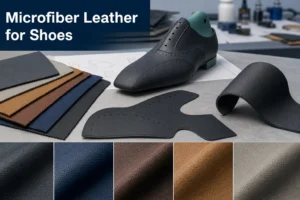
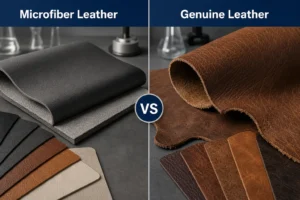
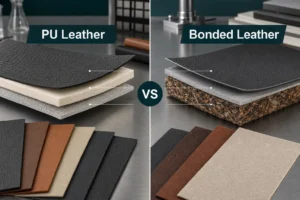
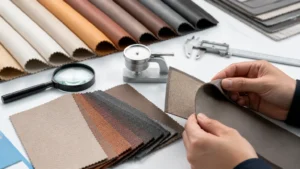
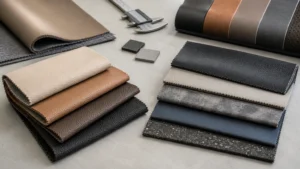
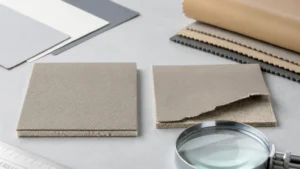
PU leather is a fantastic material for a range of projects, blending affordability with versatility. Whether you shop online, visit specialty stores, or go straight to manufacturers, there’s a sourcing option to fit your needs. By weighing factors like thickness, quality, and intended use—and keeping care in mind—you’ll be set to find the perfect PU 가죽 for your next creation. Consider brands like Taite for premium, eco-conscious options that are sure to meet your crafting and design needs.

Quick Answer
PU leather is usually softer, more breathable, and better for upholstery, bags, garments, and products that need a comfortable hand feel. PVC leather is generally stronger against water, abrasion, and chemicals, making it suitable for outdoor, marine, medical, and heavy-duty uses. The better choice depends on budget, performance requirements, appearance, flexibility, and end-use conditions.
What are PVC and PU Leathers?
PVC leather, also known as vinyl leather, is a synthetic material made by coating a fabric with a layer of polyvinyl chloride (PVC). This gives it a plastic-like texture, which makes it highly durable and water-resistant. It is often used in budget-friendly products like furniture and accessories because of its lower production cost.
PU leather, on the other hand, is made by coating a fabric with a layer of polyurethane, a more flexible and breathable material compared to PVC. Unlike PVC, PU leather is more closely aligned with the feel and appearance of real leather, offering a soft texture and enhanced comfort.
The main difference between PVC and PU leather lies in the materials used and the resulting properties, such as texture, flexibility, and environmental impact.
Why is PU Leather Better than PVC Leather?
When comparing PVC leather to PU leather, several key aspects make PU leather the better option.
Comfort and Softness: PU leather is softer and more flexible than PVC leather. It mimics the look and feel of real leather more closely, providing a more comfortable experience, especially for products like clothing, furniture, and automotive interiors. PVC leather, on the other hand, tends to be stiffer and less breathable, which can make it uncomfortable for prolonged use, especially in warm environments.
Environmental Benefits: PU leather is considered more environmentally friendly than PVC leather. The production of PVC leather involves harmful chemicals like chlorine, which are not only hazardous during manufacturing but also during disposal. PU leather, on the other hand, does not contain chlorine and is biodegradable, making it a much more sustainable option. For consumers concerned about the ecological impact of their purchases, PU leather offers a greener alternative.
Durability and Wear Resistance: While PVC leather is known for its durability, especially in applications where water resistance is important, PU leather offers comparable durability with the added benefit of a more natural appearance. Over time, PU leather maintains its texture better than PVC, which can crack and degrade faster, especially when exposed to sunlight or heat. For high-use items like furniture or fashion accessories, PU leather is the superior choice due to its ability to retain its aesthetic quality longer.
Applications of PVC and PU Leathers
Fashion and Apparel: PU leather is widely used in the fashion industry for products like jackets, handbags, shoes, and belts. Its realistic appearance and feel make it an attractive choice for designers who want to mimic the luxurious look of real leather without the high cost or environmental impact. PVC leather, on the other hand, is commonly used in more budget-conscious fashion items but is less popular for high-end pieces.
Automotive Interiors: PU leather is increasingly being used in car seats, steering wheels, and other interior components due to its comfort and durability. Unlike PVC, which can feel hot and sticky in warmer conditions, PU leather provides a cooler, more comfortable experience for drivers and passengers. As the automotive industry moves toward more sustainable materials, PU leather is a growing trend.
Furniture: Both PVC and PU leather are used in furniture, such as sofas and chairs, but PU leather is often preferred for its superior comfort and more realistic texture. While PVC leather may be more durable in some cases, it lacks the softness and breathability that PU leather provides, making PU leather a better choice for long-term use.
Accessories: For everyday items like bags, wallets, and phone cases, PU leather offers better aesthetic value, comfort, and longevity. Its ability to mimic real leather gives these accessories a higher-end look and feel, while still being a cruelty-free alternative.
Why Choose PU Leather Over PVC Leather?
When deciding between PVC and PU leather, the choice ultimately depends on the intended use and your priorities.
If you're looking for a cost-effective material for short-term use or products exposed to the elements, PVC leather might be suitable due to its water resistance and lower cost. It’s often used for outdoor furniture, car upholstery, and budget accessories. However, if you are looking for a long-term investment in comfort, sustainability, and aesthetics, PU leather is the better choice.
PU leather is ideal for those who prioritize environmental sustainability and comfort. While it may have a slightly higher initial cost, the benefits of durability, breathability, and eco-friendliness make it more valuable in the long run. PU leather's ability to closely resemble real leather means that it’s also perfect for consumers who seek high-quality items that are both stylish and functional.
The Future of PU Leather
As consumer awareness of environmental issues continues to rise, the demand for sustainable and cruelty-free materials will only increase. PU leather is positioned to play a significant role in this shift. With advancements in manufacturing technology, PU leather is expected to become even more durable, affordable, and environmentally friendly. Additionally, some companies are now exploring plant-based alternatives to polyurethane, which could further reduce the environmental footprint of PU leather.
결론
In the debate between PVC and PU leather, it’s clear that PU leather stands out as the superior material. Its comfort, environmental benefits, durability, and ability to mimic the appearance and feel of real leather make it the better choice for a wide range of applications, from fashion and automotive interiors to furniture and accessories.
While PVC leather may be a more affordable option for certain applications, PU leather offers long-term value and aligns better with the growing demand for sustainable products. As we continue to seek more eco-friendly alternatives, PU leather’s popularity is likely to increase, solidifying its position as the top choice for modern, ethical consumers.
FAQ
Is PU leather better than PVC leather?
PU leather is often better when softness, flexibility, and a premium feel matter. PVC leather is often better when water resistance, durability, and cost control are priorities.
Which material lasts longer, PU or PVC?
PVC can last longer in wet or heavy-use environments, while high-quality PU can perform well indoors when properly specified and maintained.
Which is better for furniture?
PU leather is common for indoor furniture because it feels softer and more comfortable. PVC may be chosen for commercial or high-cleaning environments.
Long-Tail Questions Buyers Also Ask
- Polyurethane vs PVC: which is better? Polyurethane is usually better for softness and comfort, while PVC is often better for water resistance and cost control.
- Is polyurethane better than PVC leather? It depends on whether the product needs a soft leather-like touch, easy cleaning, low cost, or stronger moisture resistance.
- PU leather vs vinyl: are they the same? Vinyl usually refers to PVC-based leather, while PU leather uses polyurethane coating.
- Which is better for sofa leather? PU is often preferred for comfort; PVC can work when easy cleaning and lower cost are priorities.
- Which is better for bags, shoes, and car seats? Buyers should compare flexibility, abrasion, seam strength, cleaning, and compliance requirements.
Related Reading and Application Links
For deeper comparison, read PU leather water resistance, PU leather lifespan, and leather-look fabric options. For product selection, see Taite’s PU 가죽, PVC leather, and car upholstery leather.