How to Identify Eco-Friendly PU Leather

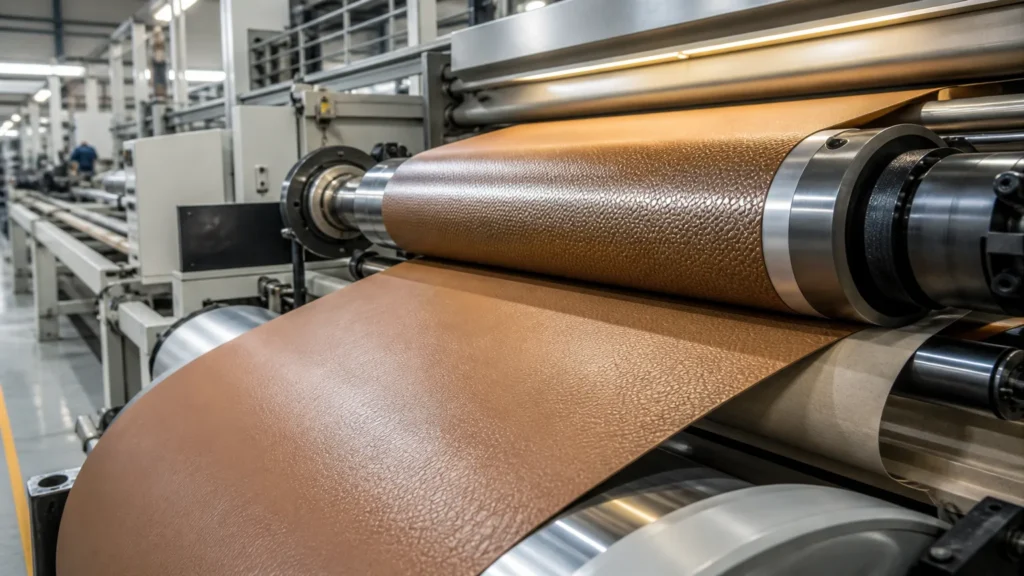
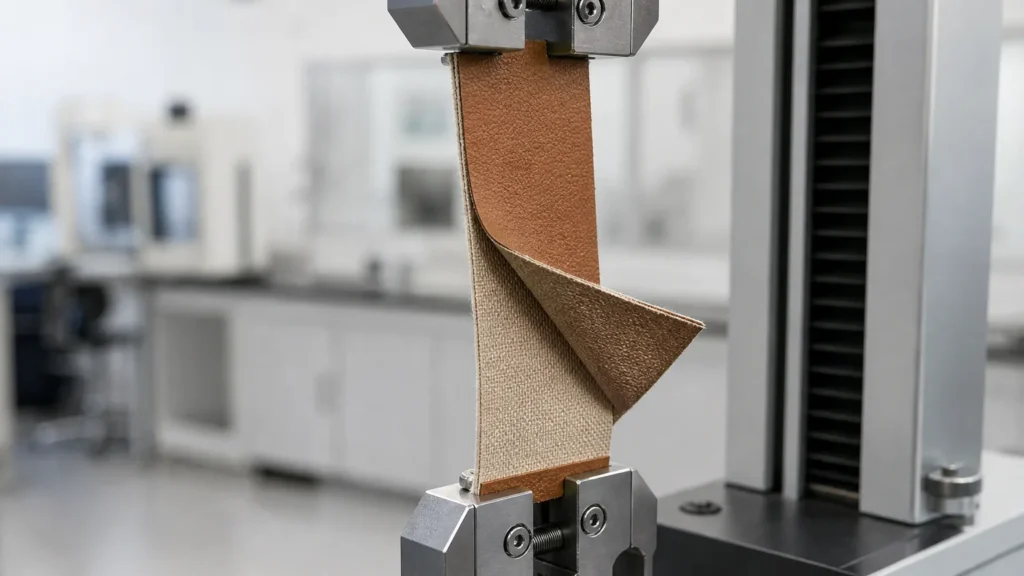
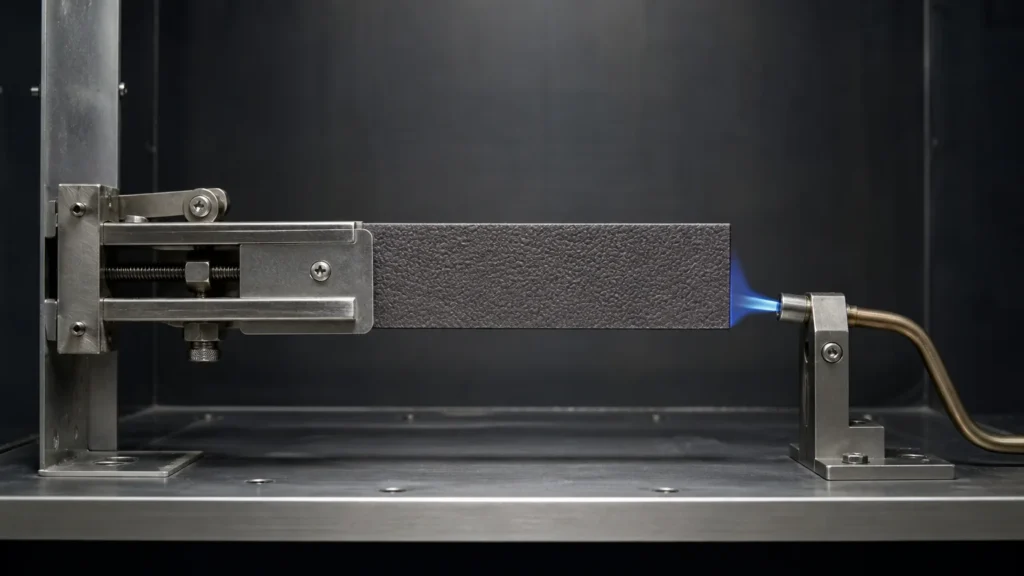
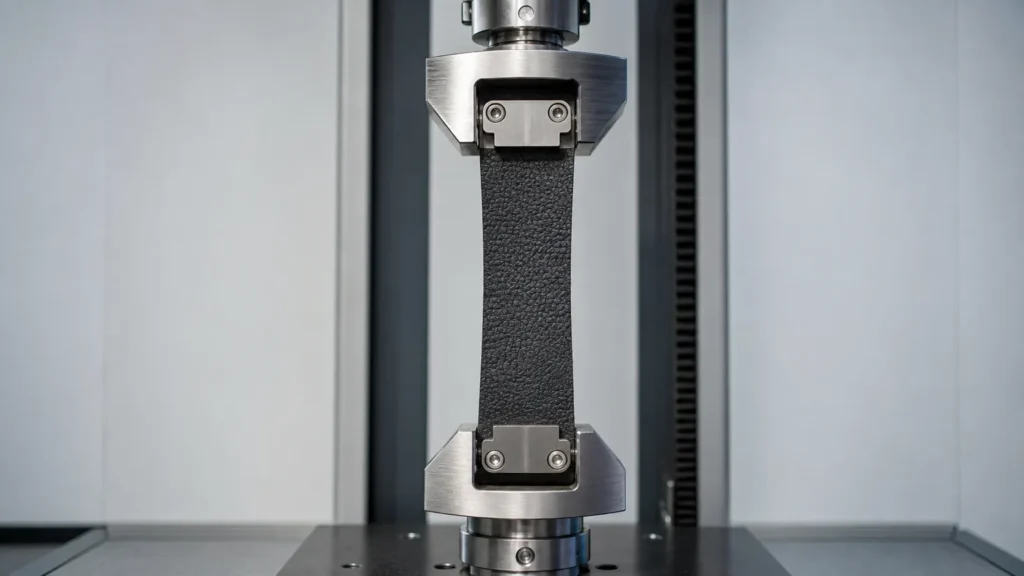
In today’s commercial upholstery, automotive, and high-end consumer goods markets, sustainability is no longer an optional marketing buzzword—it is a strict regulatory and procurement requirement. However, as demand for sustainable materials surges, so does the prevalence of “greenwashing.” Many suppliers label standard synthetic materials as “vegan” or “eco-friendly” simply because they do not contain animal hide, while completely ignoring toxic solvent emissions and non-recyclable chemical formulations during production. For procurement managers, material engineers, and quality assurance directors, relying on vague supplier promises is a massive risk. True eco friendly PU leather must be verified through rigorous chemical testing, standardized environmental certifications, and transparent supply chain metrics. In this technical guide, […]

Martindale Abrasion Test Explained for Synthetic Leather

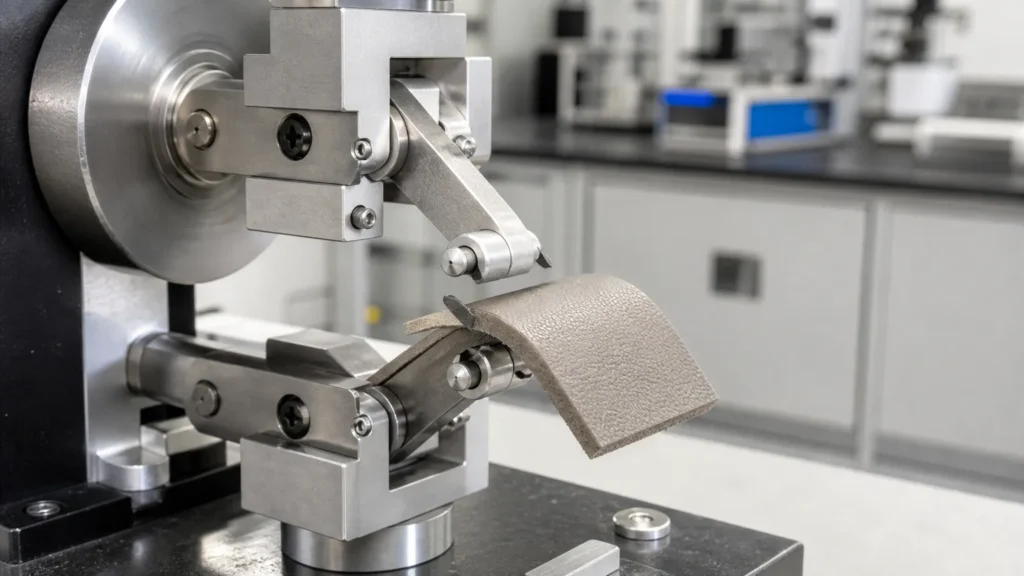
A Martindale abrasion test machine evaluating the durability of Taite synthetic leather.

When sourcing synthetic leather for furniture, automotive interiors, or commercial upholstery, durability is not just a preference—it is a strict technical requirement. B2B buyers and product engineers cannot rely on the “feel” of a fabric to predict its lifespan. Instead, they rely on standardized, scientific testing. At the forefront of these global quality control standards is the Martindale abrasion test. If you are a manufacturer or procurement manager reviewing a Technical Data Sheet (TDS) for PU leather, you will inevitably encounter a “Martindale Rub Count.” But what exactly does this number mean? How is the test conducted? And what rating is truly necessary for your specific application? In this comprehensive […]

How to Test Hydrolysis Resistance of PU Leather

Cross-section showing hydrolysis resistance PU leather structure

Introduction When sourcing PU leather for automotive interiors, furniture upholstery, sports equipment, or footwear, one of the most important durability indicators is hydrolysis resistance PU leather performance. Hydrolysis is a gradual chemical degradation process that occurs when polyurethane is exposed to heat and moisture over an extended period. Materials with poor hydrolysis resistance may crack, become sticky, lose flexibility, or delaminate long before the end of their expected service life. For engineers, product developers, and sourcing professionals, laboratory testing provides the most reliable way to evaluate long-term performance before materials enter production. In this guide, you’ll learn what hydrolysis resistance means, which international standards are commonly used, how accelerated aging […]

How to Choose PU Leather for Furniture: The Ultimate Expert Guide

Premium PU leather for furniture sofa in a modern living room with durable upholstery for residential and commercial interiors

Whether you are a furniture manufacturer looking for reliable upholstery materials, an interior designer, or a homeowner planning to upgrade your living space, selecting the right fabric is a critical decision. Among the myriad of options available today, PU leather for furniture stands out as one of the most popular, versatile, and cost-effective choices on the market. But not all synthetic leathers are created equal. How do you distinguish premium quality from low-grade alternatives? In this comprehensive guide, we will walk you through everything you need to know about how to choose PU leather for furniture, what factors to consider, and why partnering with a trusted brand like Taite can […]

Is PU Leather Good for Bags and Luggage? 5 Essential Buyer Facts

High-quality PU leather travel collection with a handbag, luggage, and backpack in a workshop setting, highlighting 5 facts about synthetic leather durability.

When sourcing materials for high-end fashion handbags, functional backpacks, and heavy-duty suitcases, many brand managers and purchasing directors ask: Is PU leather good for bags and luggage? Short Answer: Yes, high-grade PU (polyurethane) leather is currently one of the most reliable and cost-effective materials for manufacturing mid-to-high-end bags and luggage. Modern PU synthetic leather offers superior scratch resistance, lightweight structure, high peel strength, and flexible grain options while remaining more sustainable and uniform than genuine leather. However, not all synthetic materials perform equally under heavy-duty travel conditions. For brands and sourcing managers, evaluating whether is PU leather good for bags and luggage requires understanding key technical specifications to avoid cracking, […]

PU Leather for Bags: Engineered Solutions for Anti-Scratch Durability and Premium Handbag Manufacturing

PUレザー バッグ用

In the competitive global fashion and luggage ecosystem, handbag brand owners, OEM/ODM designers, and procurement teams face a continuous material challenge: balancing luxurious, supple hand-feel with long-term structural durability. Modern consumers demand luxury aesthetics—such as butter-soft Nappa grain textures or elegant pebbled finishes—without the functional drawbacks of premature wear, corner abrasion, or surface peeling. Selecting the ideal PU leather for bags requires a precise evaluation of polymer chemistry, backing cloth engineering, and physical performance metrics. As an enterprise synthetic leather manufacturer operating four specialized production facilities, Taite Leather Group partners with international bag brands to deliver high-performance polyurethane textiles. This technical evaluation explores how advanced polymer chemistry enhances scratch resistance, […]

What is Sustainable PU Leather? Mastering GRS Verification and REACH Compliance Standards

Sustainable PU Leather

In the modern international supply chain, sustainability has evolved from an optional marketing highlight into a mandatory regulatory hurdle. For global B2B procurement managers, premium fashion brands, automotive interior designers, and multinational furniture manufacturers across North America and Europe, importing eco-friendly synthetic textiles involves strict environmental scrutiny. Navigating regional customs and maintaining compliance requires an airtight understanding of materials. This comprehensive manufacturer guide delivers a deep technical breakdown of sustainable PU leather, the underlying eco-friendly production technologies, and a roadmap to mastering Global Recycled Standard (GRS) and REACH compliance certifications. As a leading global group operating four state-of-the-art factories, Taite Leather Group is dedicated to pushing the boundaries of material […]

PU Leather Manufacturer Guide: Ultimate Insights on Properties, Production, and B2B Sourcing

Premium rolls from a reliable pu leather manufacturer

Understanding the Material: An Expert PU Leather Manufacturer Guide When searching for versatile, cost-effective, and high-performance alternatives to animal hides, global sourcing managers need a reliable pu leather manufacturer to navigate the complex market. Polyurethane leather, commonly known as PU leather, is a premier synthetic material engineered from thermoplastic polymers, widely used across international consumer industries. Unlike traditional, low-grade vinyl materials, high-quality PU leather consists of a meticulous, multi-layered structure. It typically features a fibrous backing fabric base layer (such as knitted canvas, woven polyester, or ultra-fine non-woven fibers) topped with a cohesive layer of advanced polyurethane resin. This synthetic top coat is carefully formulated to replicate the authentic grain, […]