


When choosing a gaming chair, the material plays a crucial role in determining comfort, durability, and overall gaming experience. Leather and fabric are the two most common options, each with its own advantages and drawbacks. While fabric chairs are often praised for their breathability, leather chairs stand out for their superior durability, luxurious feel, and ease of maintenance. This article provides a detailed comparison of leather vs. fabric gaming chairs, helping gamers make an informed decision based on factors such as longevity, aesthetics, health benefits, and overall gaming performance.
Durability and Longevity
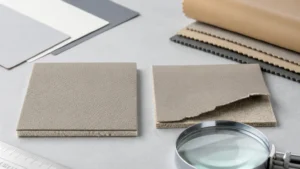
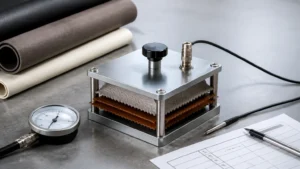
Leather gaming chairs, especially those made from real leather, are renowned for their exceptional lifespan compared to fabric chairs. Studies indicate that with proper care, leather can remain in top condition for decades, whereas fabric chairs typically show signs of wear, such as tears and fading, within just 2 to 3 years. Even synthetic leather (PU leather) demonstrates superior durability, making it a solid choice for gamers who require a chair that can withstand heavy, prolonged use.
Comfort and Aesthetics
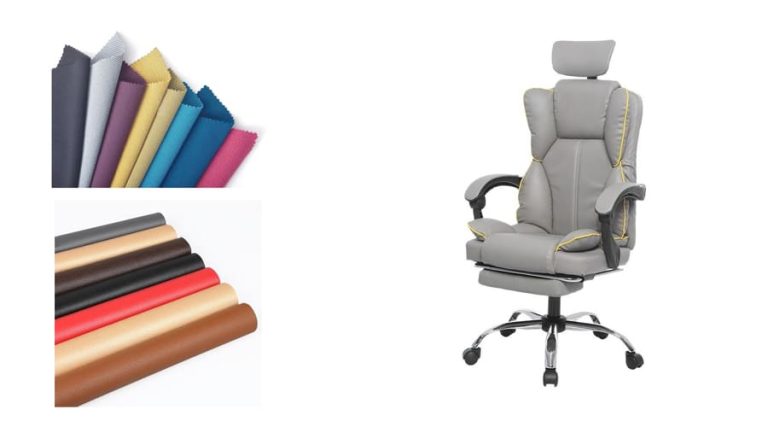
Leather provides a plush, luxurious seating experience, ideal for long gaming sessions. Its smooth, premium texture enhances comfort while offering a sleek, professional look that elevates a gaming setup’s overall aesthetic. While fabric chairs are softer and more breathable, they lack the high-end feel of leather. Leather chairs also come in a variety of finishes and colors, such as Robin Egg Blue or Cloudy White, allowing gamers to personalize their setup without compromising on sophistication.
Maintenance and Health Benefits
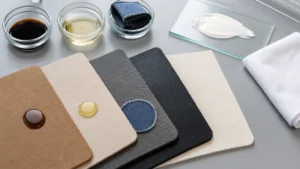
One of the key advantages of leather is its ease of maintenance. Spills and stains can be wiped off effortlessly with a damp cloth, whereas fabric absorbs moisture, sweat, and odors, requiring frequent deep cleaning. Additionally, leather is hypoallergenic—it does not trap dust, pet dander, or other allergens as fabric does. This makes leather a healthier option for gamers prone to allergies or respiratory sensitivities.
In-Depth Analysis: Leather vs. Fabric for Gaming Chairs
This comprehensive analysis explores why leather is often considered the superior choice for gaming chairs. By examining key factors such as durability, comfort, maintenance, aesthetics, and gaming suitability, we provide an evidence-based comparison that highlights why leather emerges as the preferred option for serious gamers.
Introduction to the Comparison
Choosing the right gaming chair material is essential for comfort and performance. The debate between leather and fabric has been ongoing, with each material offering unique benefits. However, research suggests that leather, including both real and synthetic (PU) varieties, provides significant advantages that make it better suited for gaming chairs. This analysis will break down the core factors differentiating these materials, supported by expert opinions and real-world case studies.
Durability: Why Leather Outlasts Fabric
Durability: Why Leather Outlasts Fabric
Gaming chairs endure extensive use, making durability a key factor in selecting the right material. Leather, particularly real leather, is known for its longevity. fabric gaming chairs, high-quality leather can last for decades with proper maintenance, retaining its color, texture, and structural integrity over time.
By contrast, fabric chairs tend to deteriorate within 2 to 3 years, especially in high-contact areas like armrests and seat cushions. Synthetic leather (PU leather), while requiring occasional care to prevent cracking, generally holds up better under heavy use, reinforcing its status as a more durable option.
Comfort and Aesthetics: The Premium Feel of Leather
Comfort is a priority for any gaming chair, and leather provides a plush, ergonomic seating experience. The smooth, soft texture of leather feels luxurious, making it ideal for long gaming sessions.
From an aesthetic perspective, leather chairs offer a sophisticated and professional look that enhances any gaming setup. Available in a variety of colors and finishes, high-quality leather gaming chairs allow users to customize their space without sacrificing elegance. In contrast, fabric chairs, while available in a range of colors, tend to appear more casual and lack the refined look of leather.
Maintenance: Leather’s Ease of Cleaning
Given the prolonged use of gaming chairs, easy maintenance is crucial. Leather’s non-porous surface allows for effortless cleaning—spills and stains can be quickly wiped away with a damp cloth. High-quality PU leather options are specifically engineered to resist scratches and stains, ensuring long-term usability with minimal upkeep.
Fabric chairs, on the other hand, absorb moisture, body oils, and dust, leading to persistent stains and odors. Fabric chairs require deep cleaning at least once a month using household detergents, baking soda, or a wet vacuum. The cleaning process can take around 10 minutes, followed by hours of drying time, making fabric less convenient for gamers who prefer low-maintenance furniture.
Hypoallergenic Properties: A Healthier Option
Another key benefit of leather gaming chairs is their hypoallergenic nature. Unlike fabric, leather does not trap dust, pet dander, or allergens. Both real and faux leathers are less likely to cause allergic reactions compared to fabric, which can accumulate grime over time. For gamers who suffer from allergies, leather chairs provide a healthier seating option that minimizes exposure to airborne irritants.
Gaming Performance: Leather’s Superior Support
Gaming chairs are designed for prolonged use, and leather excels in providing consistent support over time. Leather’s resilience ensures that it maintains its shape and cushioning, offering sustained comfort during extended gaming sessions.
While fabric may feel comfortable initially, it tends to wear down more quickly, leading to uneven support. Additionally, the fabric’s lower durability means more frequent replacements, which can be disruptive for serious gamers. In contrast, leather chairs provide a long-lasting, high-performance seating experience that remains comfortable over time.
Conclusion
After evaluating durability, comfort, maintenance, aesthetics, and gaming performance, leather clearly emerges as the superior choice for gaming chairs. Its ability to last for decades, combined with its luxurious feel and easy maintenance, makes it a practical investment. Leather’s hypoallergenic properties further enhance its appeal for gamers who prioritize health and cleanliness.
While fabric chairs may be initially more affordable and breathable, their shorter lifespan and higher maintenance requirements make them less practical in the long run. For gamers seeking premium comfort, durability, and a stylish setup, a leather gaming chair is undoubtedly the best choice