


A Step-by-Step Guide
Leather patchwork fabric is a stunning way to repurpose leather scraps into something beautiful and functional. Whether you’re aiming to create a one-of-a-kind tote bag, a statement cushion cover, or even a quilted vest, leather patchwork offers endless creative possibilities. The process combines the durability and texture of leather with the artistry of patchwork, resulting in a fabric that’s both unique and eco-friendly. Best of all, it’s a fantastic way to upcycle leftover leather from previous projects, reducing waste while crafting something truly special. In this guide, we’ll walk you through the steps to create your own leather patchwork fabric, from selecting materials to sewing techniques, ensuring you achieve a professional finish.
Benötigte Materialien
Material | Purpose |
Leather scraps | The main material for your patchwork. |
Sewing machine | For stitching the leather pieces together. |
Leather needles | Designed to handle the thickness of leather. |
Heavy-duty thread | Polyester or nylon thread for durability. |
Scissors or rotary cutter | For cutting leather into precise shapes. |
Ruler or measuring tape | To measure and cut uniform pieces. |
Template (optional) | For cutting consistent shapes like squares or hexagons. |
Fabric glue (optional) | For temporarily holding pieces in place. |
Walking foot (optional) | Helps feed leather evenly through the machine. |
Choosing the Right Leather
Selecting the right leather is crucial for a successful patchwork project. Here’s what to keep in mind:
Dicke: Aim for leather scraps of similar thickness to ensure a uniform look and feel. Thinner leathers, like garment leather (1-2 oz), are easier to sew and more pliable, making them ideal for beginners. Thicker leathers (3-4 oz) can be used but may require more advanced sewing techniques.
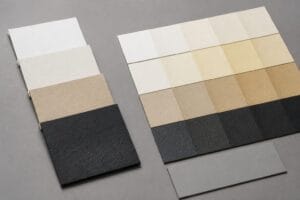
- Texture and Color: Consider the visual impact of your patchwork. Mixing different colors and textures can create a dynamic, eye-catching design, while sticking to a single color palette offers a more cohesive, sophisticated look.
- Quality: Inspect scraps for flaws like holes or uneven dyeing, as these can affect the final product. However, small imperfections can add character to your patchwork if strategically placed.
By choosing complementary leathers, you’ll set the stage for a harmonious and durable fabric.
Preparing Leather Scraps
Once you’ve selected your leather, it’s time to prepare the scraps for sewing:
- Cut Uniform Shapes: Decide on a shape for your patchwork—squares, rectangles, or hexagons are popular choices. Use a ruler and scissors or a rotary cutter to cut the leather into uniform pieces. For consistency, create a template from cardboard or plastic.
- Ensure Straight Edges: Leather doesn’t fray like fabric, but straight, clean edges are essential for neat seams. Take your time to cut precisely.
- Sort by Size and Color: Organize your cut pieces by size and color to make the design process smoother. This step helps you visualize the final layout.
Proper preparation ensures your patchwork comes together seamlessly, both literally and figuratively.
Arranging the Pieces
Designing your patchwork is where creativity shines. Follow these steps to arrange your leather pieces:
- Lay Out the Pieces: Spread your cut leather shapes on a flat surface, experimenting with different patterns and color combinations. Try a classic grid for a structured look or a random arrangement for a more eclectic vibe.
- Balance the Design: Step back and assess the overall balance. Ensure colors and textures are distributed evenly to avoid clustering that might overwhelm the eye.
- Take a Photo: Once you’re happy with the layout, snap a photo for reference. This will guide you during the sewing process, especially if pieces get shuffled.
Arranging your pieces thoughtfully sets the foundation for a visually appealing patchwork fabric.
Sewing Techniques for Leather Patchwork
Sewing leather requires specific techniques to accommodate its thickness and lack of stretch. Here’s how to approach it:
Seam Types
- Flat Seams: Ideal for a smooth, professional finish. Sew pieces with right sides together, then press the seams open with a mallet or hammer to flatten them.
- Overlapped Seams: For a decorative, textured look. Overlap the edges of two pieces and topstitch them together, creating a visible seam that adds character.
Sewing Tips
- Use a Walking Foot: This attachment helps feed the leather evenly through the machine, preventing slippage and ensuring straight seams.
- Set a Longer Stitch Length: Use a stitch length of 3-4mm to avoid perforating the leather too closely, which can weaken it.
- Test on Scraps: Before sewing your main pieces, practice on scrap leather to adjust tension and stitch length as needed.
These techniques will help you achieve clean, durable seams that enhance your patchwork’s longevity.
Joining the Pieces
With your pieces arranged and sewing techniques in mind, it’s time to start joining them:
- Start with Small Sections: Begin by sewing smaller groups of pieces together, such as rows or blocks, before assembling the entire fabric. This makes the process more manageable.
- Flat Seams:Place two pieces right sides together. / Sew along the edge with a ¼-inch seam allowance. / Press the seam open using a mallet or hammer to flatten it.
- Overlapped Seams:Overlap the edges of two pieces by about ¼ inch. / Topstitch along the overlap to secure the pieces.
- Continue Assembling: Gradually join your small sections into larger panels until the entire fabric is complete.
Take your time with this step to ensure each seam is secure and aligned.
Finishing the Fabric
Once all pieces are sewn together, finish your leather patchwork fabric with these steps:
- Trim Edges: Use scissors or a rotary cutter to even out the edges of your fabric, ensuring a clean, professional look.
- Optional Backing: For added stability, especially if your patchwork will be used in upholstery or bags, consider backing it with a fabric like canvas or interfacing. Attach the backing with fabric glue or by sewing it to the leather.
- Inspect for Flaws: Check for any loose threads or uneven seams, and make adjustments as needed.
These finishing touches elevate your patchwork from a collection of scraps to a cohesive, functional fabric.
Project Ideas for Leather Patchwork Fabric
Now that you have your leather patchwork fabric, here are some creative ways to use it:
- Tote Bag: Sew a sturdy, stylish tote bag that showcases your patchwork design.
- Cushion Cover: Add a touch of luxury to your home decor with a leather patchwork cushion.
- Quilted Vest: For the adventurous, create a unique vest that combines fashion and craftsmanship.
- Wall Art: Frame a small patchwork piece as a textured, artistic statement.
These projects not only highlight your patchwork but also demonstrate the versatility of leather in crafting.
Fazit
Creating leather patchwork fabric is a rewarding process that transforms scraps into a beautiful, durable material. By carefully selecting and preparing your leather, thoughtfully arranging your pieces, and mastering the sewing techniques suited to leather, you can craft a fabric that’s truly one-of-a-kind. Whether you’re making a functional item like a bag or a decorative piece like wall art, the satisfaction of upcycling leather into something new is unmatched. So gather your scraps, fire up your sewing machine, and let your creativity flow—your next leather masterpiece awaits!