


When embarking on crafting, sewing, or DIY projects, selecting the right tools is critical for achieving polished, professional outcomes. A question that frequently pops up—especially among novices—is whether fabric scissors can cut leather. At first glance, it might seem reasonable since both fabric and leather are materials often used in overlapping creative pursuits. But is it really that straightforward? In this blog post, we’ll explore the nature of fabric scissors and leather, determine if fabric scissors can handle the task, and highlight the best tools and techniques for cutting leather effectively. Let’s dive in!
Understanding Fabric Scissors
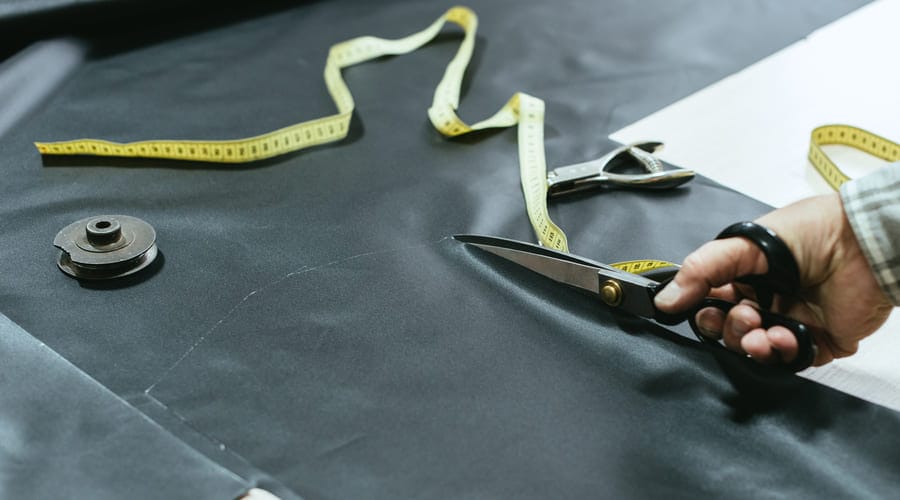
Fabric scissors, often referred to as sewing scissors or tailor’s shears, are specialized tools designed for cutting cloth materials such as cotton, silk, denim, or polyester. These scissors feature sharp, precision-ground blades crafted to slice through soft, flexible fabrics with ease, delivering clean cuts that prevent fraying. Typically made from high-quality stainless steel, the blades retain their sharpness over time, while the ergonomic handles ensure comfort during prolonged use.
For anyone who sews, fabric scissors are indispensable. They excel at producing accurate cuts, which streamline the sewing process and enhance the final product. However, their design is finely tuned to the properties of fabric—soft, pliable, and woven—making them less versatile for tougher materials like leather.
What Makes Leather Different?
Leather stands apart from fabric due to its unique characteristics. Derived from animal hides, leather is prized for its durability, strength, and toughness. Unlike fabric, which is constructed from interwoven fibers, leather is a solid, continuous sheet. Its properties vary widely depending on the animal source and tanning process, resulting in a spectrum of thicknesses and hardness levels—from soft, pliable lambskin to thick, rigid cowhide.
These traits make leather a more formidable material to cut. Thin leather might yield to a sharp blade with moderate effort, but thicker varieties demand greater force and a robust cutting edge. This distinction is key when evaluating whether fabric scissors can rise to the challenge.
Can Fabric Scissors Cut Leather?
So, let’s address the core question: Can fabric scissors cut leather? The answer is a qualified yes, but it comes with significant limitations.
Thin or Soft Leather
If you’re dealing with very thin or soft leather—like garment leather or lightweight upholstery leather—fabric scissors might get the job done. A sharp, well-maintained pair could slice through such material, though you may need to exert more pressure than you would with fabric. Even so, the resulting cut might lack the precision and smoothness you’d expect from fabric scissors, potentially leaving slightly uneven edges.
Thick or Hard Leather
For thicker or harder leather—think full-grain leather used for belts, bags, or shoes—fabric scissors fall short. These materials require a tool with superior cutting power and a blade sturdy enough to penetrate without excessive resistance. Forcing fabric scissors through thick leather can lead to jagged edges, inconsistent cuts, and even damage to the scissors themselves. The blades may bend, chip, or dull rapidly under the strain.
The Cost to Your Scissors
Beyond the quality of the cut, there’s another critical factor to consider: the impact on your fabric scissors. Leather’s toughness can blunt blades quickly, undermining their ability to cut fabric cleanly in the future. Since sharp scissors are vital for avoiding frayed edges in sewing projects, using them on leather risks compromising a valuable tool. For this reason alone, it’s wise to reserve fabric scissors for their intended purpose.
Why Fabric Scissors Aren’t Ideal for Leather
Several factors explain why fabric scissors struggle with leather:
- Blade Design: Fabric scissors are engineered for soft, flexible materials. Their blades lack the thickness and resilience needed to tackle leather’s density without wearing down.
- Cutting Action: The shearing motion of fabric scissors suits fabric but offers insufficient leverage for leather. Tougher materials often require a different cutting mechanism, like rolling or slicing, to achieve a clean result.
- Longevity: Cutting leather accelerates blade dulling, reducing the scissors’ effectiveness for fabric over time. Once dulled, they may tear rather than cut fabric, disrupting your sewing projects.
In short, while fabric scissors might manage in certain scenarios, they’re not built for leather’s demands.
In short, while fabric scissors might manage in certain scenarios, they’re not built for leather’s demands.
Better Tools for Cutting Leather
For optimal results, turn to tools designed specifically for leather. Here are some top options:
- Leather Shears: These heavy-duty scissors feature stronger, sharper blades, often with serrated edges to grip leather and prevent slipping. They effortlessly handle thick, tough hides.
- Rotary Cutter: Ideal for straight lines or curves, a rotary cutter uses a sharp, circular blade that rolls across the material. It’s excellent for cutting multiple layers or detailed patterns with precision.
- Utility Knife or Craft Knife: Perfect for intricate work, a sharp utility knife offers control and accuracy. Pair it with a straightedge or template for clean, custom cuts.
- Leather Punch: Useful for specific tasks like creating holes or shapes in leather (e.g., for belts), a punch ensures consistency and neatness.
Investing in these tools not only improves your leatherwork but also preserves your fabric scissors for sewing.
Tips for Cutting Leather Like a Pro
No matter which tool you use, these techniques will elevate your leather-cutting game:
- Mark Your Lines: Use a chalk pencil, fabric marker, or scratch awl to outline your cuts. Clear guides enhance accuracy.
- Stabilize the Leather: Leather can shift during cutting, so secure it with clamps or weights on a stable surface.
- Protect Your Workspace: Cut on a self-healing cutting mat to safeguard your tools and table.
- Cut Smoothly: Opt for long, continuous strokes rather than short, jerky ones to avoid ragged edges.
- Keep Tools Sharp: Regularly sharpen blades to minimize effort and ensure clean cuts. Dull tools can snag or tear leather.
Fabric Scissors in a Pinch
What if you’re caught without the right tools? Fabric scissors might serve as a temporary fix, but proceed with caution:
- Stick to thin, soft leather to reduce strain on the blades.
- Cut slowly and deliberately to maintain control.
- Sharpen the scissors afterward to restore their edge.
Even so, this approach is a last resort. For consistent quality, proper leather-cutting tools are the way to go.
Conclusion: Fabric Scissors vs. Leather
To recap, fabric scissors can cut leather—particularly thin or soft types—but they’re far from ideal. Leather’s toughness calls for sharper, more durable tools that can deliver clean cuts without dulling rapidly. Using fabric scissors risks damaging them, leading to subpar performance in future fabric projects.
For serious leatherwork, equip yourself with leather shears, a rotary cutter, or a utility knife. These tools ensure precision and protect your sewing kit. So, next time you’re eyeing your fabric scissors for a leather task, reconsider—choose the right tool and elevate your results!
Have you ever tried cutting leather with fabric scissors? Drop your experiences in the comments—I’d love to hear how it went!