

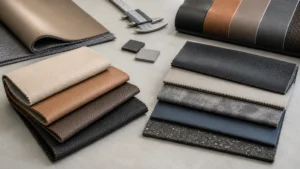
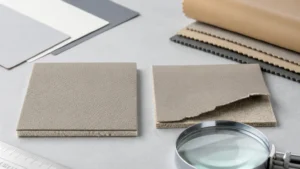
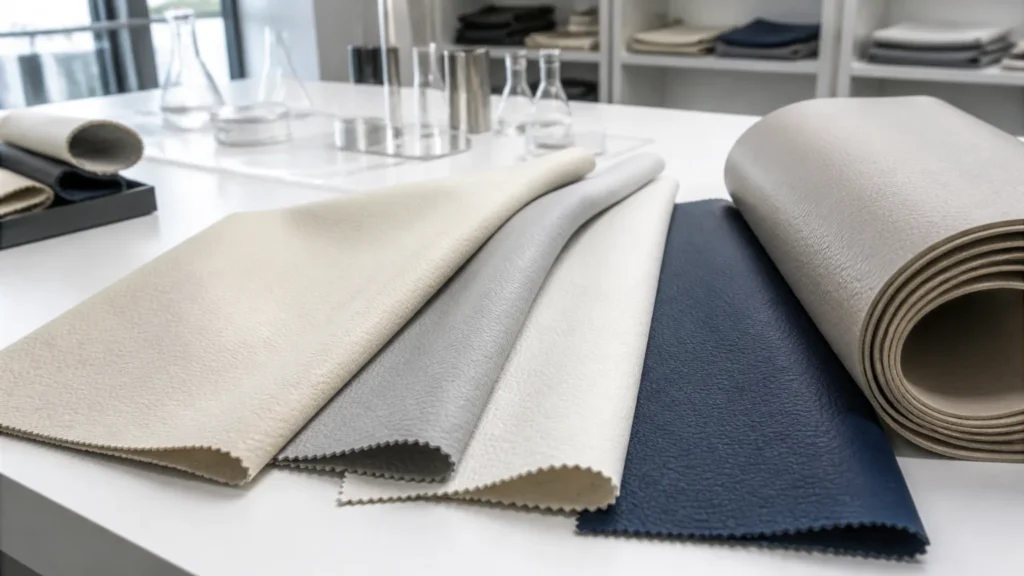
Silicone leather is a coated synthetic leather material designed for applications that need a soft touch, stable surface performance, and easier cleaning. For technical buyers, it is not simply another name for PU leather. The surface layer is based on silicone chemistry, which gives the material a different feel, different stain behavior, and different long-term performance profile. This guide explains what silicone leather is, how it compares with PU and microfiber leather, where it is used, and how to evaluate it before specifying it for a project.
What Is Silicone Leather?
Silicone leather is a synthetic leather-like material that uses a silicone-based surface layer on a textile or leather-like backing. It is made to deliver the visual and tactile experience buyers expect from coated upholstery materials while improving certain surface properties such as cleanability, stain resistance, and environmental stability.
The term is most often used for upholstery, transportation interiors, healthcare surfaces, electronic accessories, and other applications where a material must be touched, cleaned, and exposed to daily wear. It can be produced with different grains, colors, backing constructions, and thicknesses, so the final performance depends on the exact structure rather than the label alone.
For buyers comparing several materials, this option should be evaluated as a functional coated material. Appearance matters, but the real question is whether the material’s surface, backing, flexibility, and compliance profile fit the end use. A supplier’s test data, sample evaluation, and production consistency matter more than a generic claim.
How Silicone Leather Is Different from PU Leather
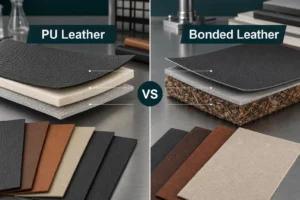
Traditional PU leather uses a polyurethane surface system, while silicone leather uses a silicone-based top surface. This difference affects how the material feels, how it reacts to stains, how it cleans, and how it behaves after repeated contact. PU leather remains widely used because it is versatile, cost-effective, and available in many constructions. This material is usually selected when the buyer wants a higher-performance surface experience.
That does not mean this material is automatically better for every project. A budget furniture line, fashion accessory, or promotional item may still be well served by a properly specified PU leather material range. The right choice depends on the required hand feel, cleaning frequency, durability target, budget, and compliance requirements.
Buyers should avoid choosing only by material name. A poor silicone leather construction can still fail in use, while a well-made PU leather can perform very well in the right application. The comparison should be based on physical samples, test data, surface behavior, and supplier control.
Key Benefits of Silicone Leather for Technical Buyers
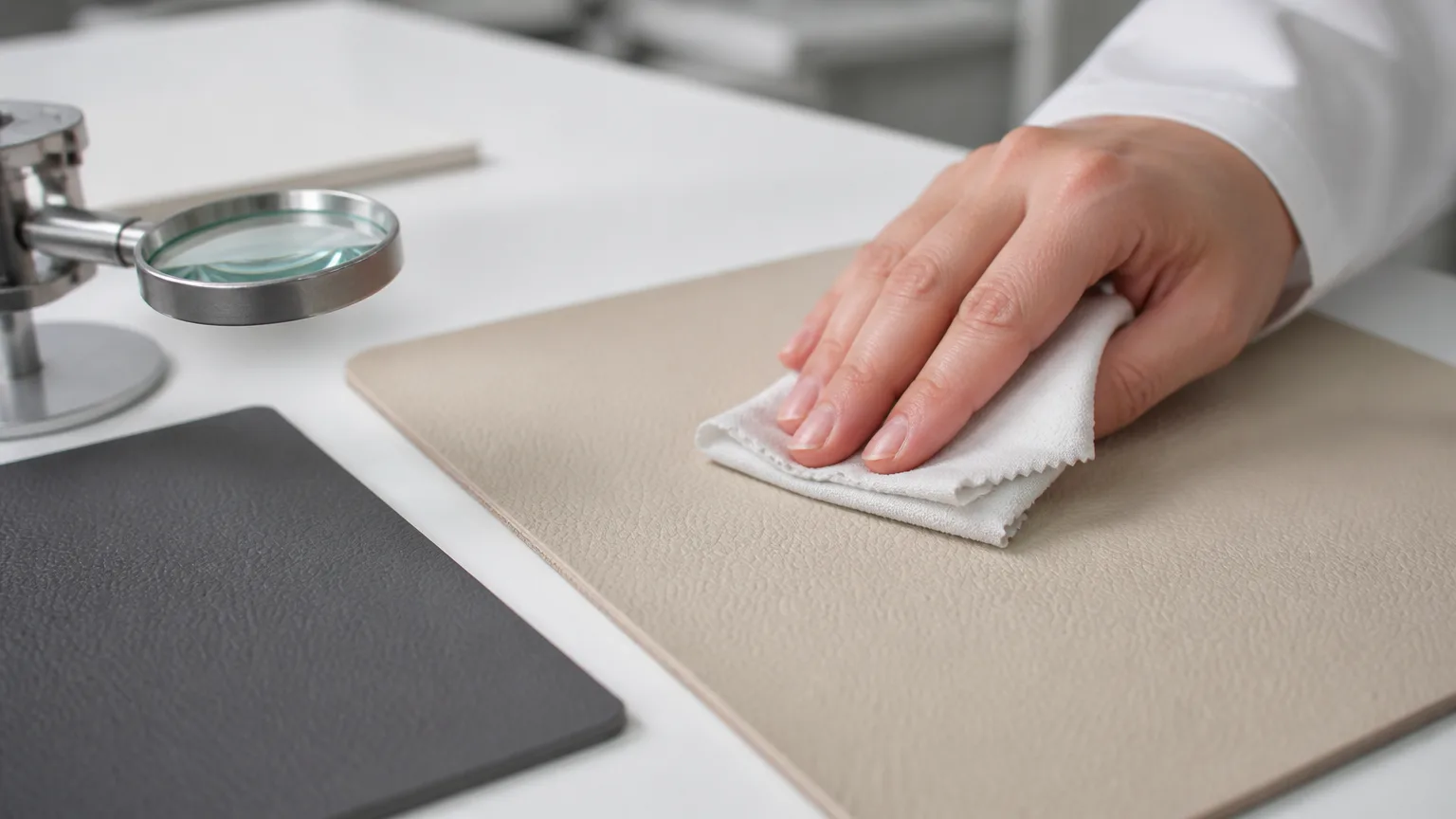
This material is often considered when the finished product must look premium and remain easy to maintain. Its surface can provide a smooth, skin-friendly touch that is suitable for seating, medical surfaces, and consumer products handled frequently.
Cleanability is one of the main reasons buyers evaluate silicone leather. Surfaces used in healthcare, transportation, hospitality, and public seating may be wiped repeatedly. A material that releases common stains more easily can reduce maintenance pressure and help preserve appearance over time. However, cleaning performance should always be confirmed with the actual cleaning agents and protocols used in the target market.
Another benefit is surface stability. Silicone-based coatings are valued for resistance to certain environmental stresses, but buyers should still request relevant test reports for the exact product. Heat, humidity, UV exposure, abrasion, and chemicals can affect materials differently depending on the backing, coating thickness, and production process.
Finally, this surface can support a clean modern aesthetic. It can be specified in neutral tones, bright colors, matte surfaces, or fine grains. This makes it attractive for design-driven applications where both appearance and practical maintenance are important.
Where Silicone Leather Is Commonly Used
This material is most relevant in applications that combine frequent human contact with cleaning or environmental requirements. It is often evaluated for healthcare surfaces, vehicle interiors, public seating, electronics, baby products, marine or outdoor-adjacent surfaces, and premium furniture.
In transportation interiors, buyers may compare silicone leather with automotive PU, microfiber, and other synthetic leather systems. Seating and trim materials must balance softness, abrasion resistance, color stability, and cleaning. If your project is focused on car interiors, review Taite’s car upholstery leather applications alongside silicone options.
In healthcare and medical products, the key concerns are cleanability, touch comfort, surface durability, and compatibility with the intended cleaning routine. Buyers working on examination tables, therapy equipment, cushions, or medical device covers can reference Taite’s medical product leather fabrics page when shortlisting materials.
For consumer electronics, silicone leather may be considered for cases, covers, wearable accessories, and device-facing surfaces. These applications require a surface that feels pleasant in hand and can resist everyday contact. Taite’s electronic product fabric applications help buyers connect material selection with product structure.
Furniture projects may also use silicone leather when designers want an upholstery surface that is comfortable, modern, and easy to maintain. For seating projects, compare silicone leather with furniture leather fabric and microfiber options before final approval.
Silicone Leather vs Water-Based PU Leather
Water-based PU leather is another important option for buyers who care about lower solvent impact and a more responsible material profile. It uses water-based polyurethane processing rather than traditional solvent-heavy systems. Silicone leather, by contrast, is selected primarily for its silicone surface properties.
The two materials can overlap in applications, but the buying logic is not identical. If the buyer’s main priority is a PU system with a more eco-conscious processing route, water-based PU leather may be a better starting point. If the priority is surface cleanability, touch, and resistance to certain daily-use stresses, this option may be worth evaluating.
Neither material should be specified based on marketing language alone. Buyers should compare samples under the same conditions, review test reports, and confirm that the material can meet the product’s manufacturing process and target market requirements.
Silicone Leather vs Microfiber Leather
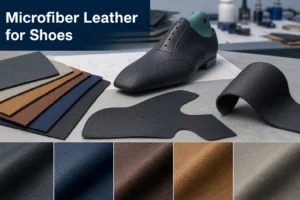
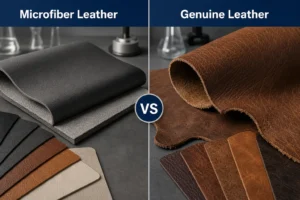
Microfiber leather is known for its dense fiber structure, strength, and leather-like hand. It is often used where a buyer needs strong mechanical performance, good softness, and a premium synthetic leather feel. This material focuses more on its surface layer and maintenance behavior.
For car seats, shoes, bags, and furniture, microfiber leather can be a strong candidate. Taite’s microfiber leather product range is useful when buyers prioritize structural strength and leather-like performance. This option becomes more attractive when easy cleaning and a specific surface feel are central to the brief.
A practical comparison should include bending, abrasion, cleaning, color consistency, and long-term surface appearance. In some projects, the best choice may even be a custom construction rather than a standard catalog item.
What to Check Before Choosing Silicone Leather
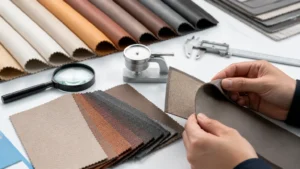
Before approval, buyers should evaluate both the material and the supplier’s ability to reproduce it consistently. Start with physical samples. Check grain consistency, gloss, color, hand feel, odor, flexibility, and backing construction. Then compare the sample with the product’s trims, foam, plastic parts, and final use environment.
Ask which tests are relevant for the intended application. Abrasion, flexing, colorfastness, hydrolysis, flame performance, stain resistance, and cleaning-agent compatibility may all matter depending on the product. Taite’s guides to the Martindale abrasion test, synthetic leather flex test, e color fastness and yellowing resistance can help teams build a reasonable testing plan.
For general chemical safety expectations, buyers can also compare their internal requirements with recognized textile safety programs such as OEKO-TEX. The exact certification or report required depends on the market, end use, and customer specification.
Finally, confirm production details. A sample that looks good is only useful if the supplier can maintain color, thickness, width, surface finish, and backing consistency during bulk production. For custom colors, grains, or performance targets, Taite’s custom leather solutions page is the natural next step.
How to Specify Silicone Leather for a Project
A clear specification makes sourcing faster and reduces mistakes. Instead of asking only for “silicone leather,” define the application, product structure, required color, thickness range, backing, grain, surface gloss, cleaning expectations, and performance priorities.
For example, a medical cushion cover may prioritize cleaning-agent compatibility and skin contact comfort. A vehicle trim project may focus on color stability, abrasion, and heat exposure. A phone case may require a fine grain, pleasant hand feel, and resistance to daily handling. These requirements lead to different material choices even if all are described under the same category.
When requesting samples, ask for the product code, construction description, test data, and recommended application. Keep an approved sample as a reference for future orders. If the project moves to bulk production, align the approval sample with written tolerances for color, thickness, surface appearance, and roll presentation.
Good communication matters as much as the material itself. The more clearly the buyer defines the use case, the easier it is for the manufacturer to recommend a realistic option and avoid sending unrelated samples.
Perguntas mais frequentes
Is silicone leather the same as PU leather?
No. It uses a silicone-based surface layer, while PU leather uses a polyurethane surface system. They may look similar in some designs, but their surface behavior, cleaning performance, and use cases can differ.
Is silicone leather better than microfiber leather?
It depends on the application. This material is often considered for cleanability and surface touch, while microfiber leather is valued for structural strength and leather-like performance. Buyers should compare samples and test data for the actual product use.
Where is silicone leather used?
It is commonly evaluated for healthcare surfaces, transportation interiors, public seating, furniture, consumer electronics, baby products, and other applications that need a comfortable surface with practical maintenance performance.
How should buyers evaluate silicone leather?
Review physical samples, compare them with the final product environment, and request relevant test data for abrasion, flexing, colorfastness, cleaning, and chemical requirements. The exact tests should match the end use rather than follow a generic checklist.