
How to Test Hydrolysis Resistance of PU Leather
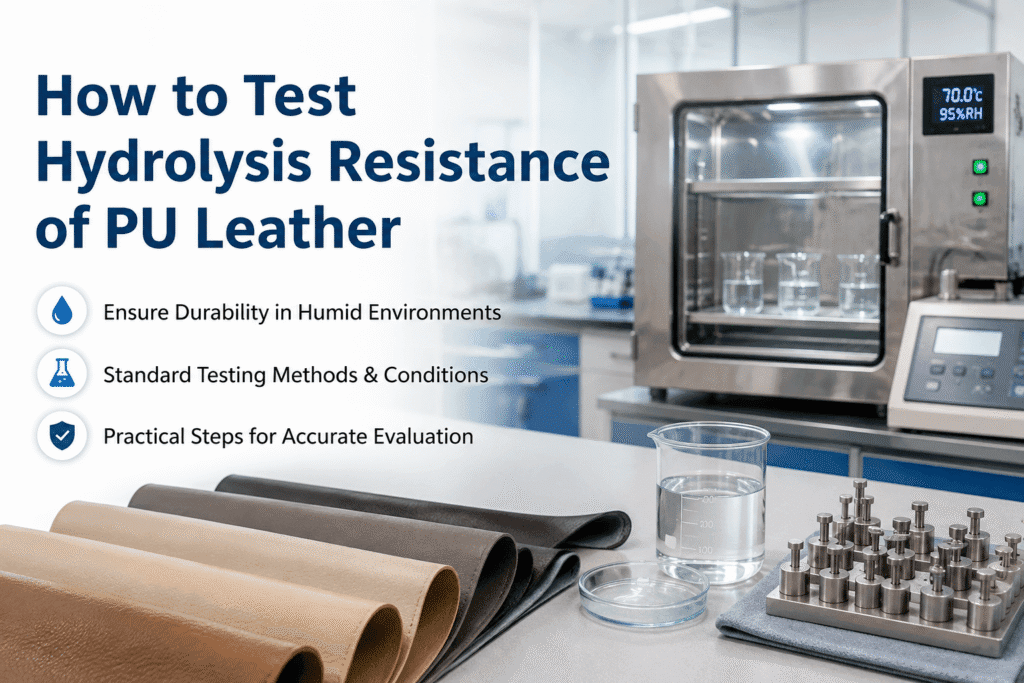
Introduction When sourcing PU leather for automotive interiors, furniture upholstery, sports equipment, or footwear, one of the most important durability indicators is hydrolysis resistance PU leather performance. Hydrolysis is a gradual chemical degradation process that occurs when polyurethane is exposed to heat and moisture over an extended period. Materials with poor hydrolysis resistance may crack, become sticky, lose flexibility, or delaminate long before the end of their expected service life. For engineers, product developers, and sourcing professionals, laboratory testing provides the most reliable way to evaluate long-term performance before materials enter production. In this guide, you’ll learn what hydrolysis resistance means, which international standards are commonly used, how accelerated aging […]
Microfiber Leather vs PU Leather: 5 Critical Differences You Must Know
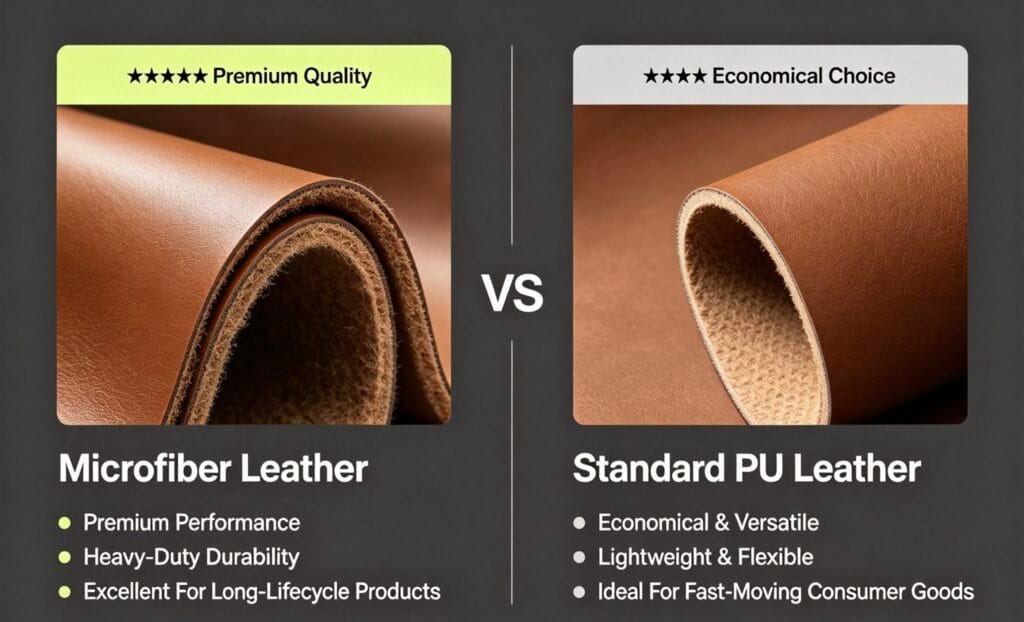
What are PU and Microfiber Leathers? When comparing microfiber leather vs pu leather, many buyers wonder which material is best suited for their industry. In the synthetic leather industry, technology is evolving rapidly. When sourcing sustainable and cost-effective alternatives to genuine leather, buyers often encounter various terms. Understanding the exact definitions of these materials is crucial for making informed purchasing decisions. PU leather, or polyurethane leather, is a classic synthetic material made by coating a fabric base (like polyester or cotton) with a layer of polyurethane resin. It has long been the industry standard for budget-friendly fashion, furniture, and lifestyle accessories due to its smooth finish and low production cost. […]