




4. Lavez en machine les produits en cuir bon marché, mais sachez que le lavage en machine du cuir peut endommager la surface. Si vous avez des produits en cuir très résistants à l'usure tels que des bottes et des vestes, vous pouvez utiliser le lavage en machine au lieu du lavage à la main. Le cuir de couleur vive ne convient pas au lavage en machine, car cela provoquerait la décoloration. Les produits en cuir avec de petits éléments décoratifs sur la surface ne doivent pas non plus être lavés en machine, car cela endommagerait non seulement vos vêtements en cuir, mais pourrait même endommager la machine à laver. Les produits en cuir coûteux ne sont pas recommandés pour le lavage en machine. Il est recommandé de les faire nettoyer professionnellement. Avant de laver tout produit en cuir, vérifiez l'étiquette du produit pour voir s'il est lavable en machine.
5. Comprendre votre similicuir : pourquoi le type de matériau est important
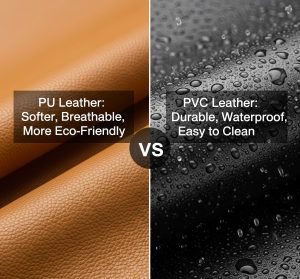
6. Le faux cuir est divisé en cuir PU, cuir PVC, cuir microfibre, cuir silicone, cuir PU à base d'eau et cuir PU sans solvant. Tous les matériaux en cuir artificiel ne peuvent pas être lavés en machine. La condition préalable au lavage en machine est que le cuir doit être spécialement traité avec 7. une haute résistance à l'usure 8. et une résistance aux plis. La plupart des cuirs artificiels sont plus résistants à l'eau que le cuir véritable, vous devez donc 9. connaître votre matériau en cuir 10. avant le lavage.
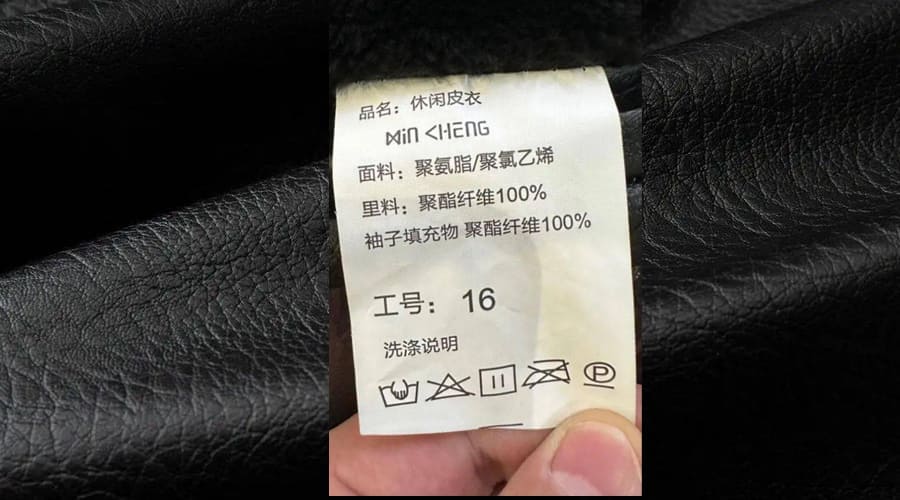
11. La règle d'or : comment lire et interpréter les étiquettes d'entretien
12. Avant d'acheter des articles en cuir, vérifiez la présence d'une étiquette d'entretien ou d'une étiquette volante. Celle-ci fournit les instructions d'entretien et de lavage courantes.
- 13. Les instructions d'entretien et de lavage doivent être organisées dans l'ordre suivant : lavage, blanchiment, séchage, repassage et nettoyage à sec.
- 14. Une étiquette d'entretien doit inclure au moins quatre symboles : lavage, blanchiment, séchage et repassage. Une étiquette de nettoyage à sec ne doit inclure qu'un seul symbole de nettoyage à sec, mais si tous les agents de nettoyage à sec ne sont pas acceptables, le solvant de nettoyage à sec doit être spécifié.
- 15. Si nécessaire, le symbole est marqué d'un symbole d'interdiction (« X »).
- 16. Du texte ou des avertissements supplémentaires doivent être placés sous le symbole dans l'ordre de lavage habituel.
- 17. Les étiquettes d'entretien peuvent ne pas être fournies dans les situations suivantes : Les vêtements réversibles sans sac peuvent ne pas avoir d'étiquette d'entretien permanente, mais les instructions d'entretien correspondantes doivent être affichées sur l'étiquette volante ; toute méthode de lavage, de blanchiment, de séchage, de repassage et de nettoyage à sec agressive ne causera pas de dommages significatifs et irréversibles au vêtement ; les vêtements achetés pour un usage personnel par des entreprises, des gouvernements et d'autres institutions publiques ; et les vêtements sur mesure utilisant des tissus fournis par le client.
18. Les risques : qu'est-ce qui peut mal tourner lors du lavage en machine du similicuir ?
19. La plupart des produits en cuir artific
Pre-Wash Prep: Gathering Supplies and Treating Stains
Choose inexpensive leather items that aren’t seriously damaged. Before washing, prepare them according to the following guidelines:
- Pour about 60ml of soap into the detergent dispenser; castile soap works just like regular laundry detergent. Add soap according to the instructions for your washing machine, then wash in cold water.
- Restore the leather item to its original shape. Lay it flat or hang it up. Smooth out any creases or wrinkles that may have formed during washing. Sometimes, you can pull on it while it’s still damp to stretch it slightly. Be careful when stretching the leather; excessive force can cause it to crack. Repairing the leather at this point can be difficult and expensive.
- Allow the leather to air dry. Avoid direct sunlight, as this will evaporate the oils that keep the leather soft. Hang it up in a lighted room to air dry. Open a window to promote air circulation, which will help it dry faster. Avoid using a hairdryer or other direct heat source to dry the leather. If you use a dryer, set it to low or no heat.
- Apply leather conditioner. Leather conditioner helps protect the leather and restore its original texture. It’s usually applied to the leather with a paper towel or soft, lint-free cloth. Once the conditioner is applied, the leather item is immediately ready for use. If you don’t have commercial leather conditioner, you can also apply a thin layer of olive oil. Use the same method as with conditioner: Apply a small amount of olive oil to a rag and gently rub it onto the leather.
Essential Supplies for a Safe Wash
Cleaning leather products requires specialized cleaning products. Using harsh soaps can easily damage the leather. Maintaining the integrity of the leather during washing is crucial. The following essential cleaning products are essential:
- Purchase or make your own castile soap: Castile soap is relatively mild and not very irritating to leather. This includes any type of castile soap. Pour 60 ml into the wash.
- Leather conditioner: The pH value should be between 5 and 7.5. A pH above 7.5 or below 5 can damage the leather’s internal structure. Applying some conditioner to the surface of the leather will help protect the leather and extend its life.

How to Spot-Treat Common Stains Before Washing
We call this behavior pretreatment. ① Grease stains can be soaked up with paper towels or clean cloth to remove excess grease. ② Coffee and tea stains can be rinsed with cold water. Turn the leather garment inside out and rinse with cold water from the back of the stain to flush the stain out of the fibers. ③ Wine stains can be soaked up with paper towels. ④ Blood stains can be treated with cold water. Hot water will coagulate the protein in the blood. ⑤ Sweat stains can be treated with a paste of baking soda and water and applied to the stain. Let it sit for 30 minutes to an hour.
A Step-by-Step Guide to Machine Washing Faux Leather
Step 1: Preparing Your Garment for the Machine
Choose cheap leather clothes or leather pants, because machine washing leather itself will damage the leather. Expensive leather clothes will have a chance to damage the leather. Remove the objects or decorations inside the clothes before washing (small decorations embedded in the leather clothes are not recommended for washing)
Step 2: Choosing the Right Detergent
Buy or make your own castile soap; abrasive soaps can damage leather, while castile soap is milder and less irritating. Any type of castile soap will work. If you can’t buy one, you can also make your own.

Step 3: Selecting the Correct Cycle and Temperature Settings
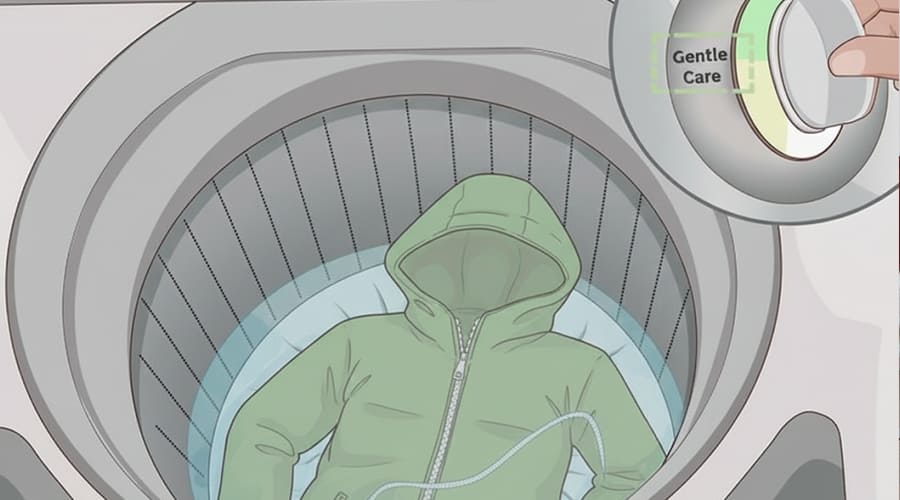
Place the leather item in the washing machine and run a gentle cycle. To prevent the leather item from being excessively bumped and agitated while washing, you can put a few black garments in to absorb the impact. Run the washing machine on the gentlest cycle and, if possible, turn the leather item inside out first, close all zippers, and fasten all fasteners. This will help “rinse” the stain out and prevent damage to the visible parts of the leather.
Step 4: Placing the Item in the Washer and Starting the Cycle
Run the wash cycle. Keep a close eye on your leather item while it’s in the washing machine. Remove it from the washing machine as soon as possible after washing, and don’t let it dry out. If the leather is allowed to dry out while wrinkled or deformed, it will be permanently deformed.
The Absolute "Don'ts" of Washing Faux Leather
- Excessive cleaning: Frequent cleaning will only cause the leather surface to wear and discolor quickly, shortening its lifespan.
- Cleaning products: Avoid using alcohol wipes, bleach, strong acid or alkaline cleaners, stain removers, turpentine, nail polish remover, furniture polish, or wax. These products are highly corrosive and will damage and corrode the leather surface coating, rendering it irreparable.
- Cleaning tools: Avoid using scouring pads, steel wool, hard-bristled brushes, tech sponges, and rough cloths, as they will scratch the leather surface and dull its luster.
- High-temperature environments: Avoid direct sunlight and hot air from hair dryers; these are the natural enemies of artificial leather and can cause it to soften, deform, and accelerate aging and cracking.
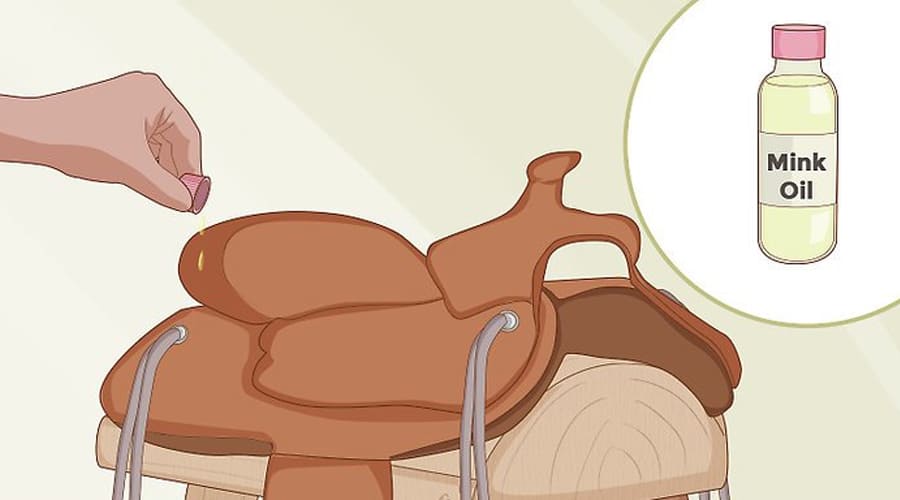
- Maintenance products: Avoid using leather maintenance oils, mink oils, or shoe polish, as these can deteriorate and damage the leather.
The Art of Drying: Post-Wash Care for Faux Leather
Why You Must Avoid the Tumble Dryer
The tumble dryer uses a high-temperature drying method. The leather surface is coated. High temperature will cause the plastic coating on the coating surface to melt, bubble, shrink, deform, etc., and will also cause the coating to peel off. High temperature will peel off the adhesive between the bottom layer and the fabric; even if the temperature is not high, long-term drying will cause the plasticizer in the material to be lost, making the originally soft leather stiff and brittle.
How to Properly Air-Dry Your Garment
We recommend using natural air drying and placing the shaped leather products in a cool, well-ventilated place to dry naturally.
Restoring Softness and Shine After Washing
Use a special protective agent or polish sprayed on a clean soft cloth, avoid spraying directly on the leather surface; wipe the surface of the leather product evenly with a soft cloth, it will form a thin protective layer, wait for 5-10 minutes, use another piece of cloth to gently wipe off the excess liquid, and perform a light polish to give the leather product a natural, non-greasy luster
Alternative Cleaning Methods for Delicate Items
When and How to Hand Wash Faux Leather
Hand washing leather products is safer than machine washing. It can effectively deal with local scratches and dirt and achieve a deep cleaning effect. The safest way is to have a professional clean the leather. The following are the ways to hand wash leather products:
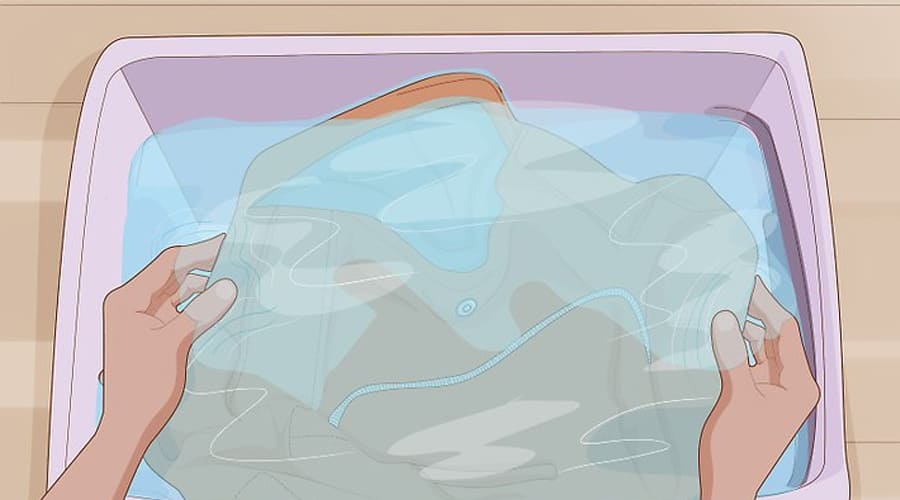
- Make a liquid (castile soap): Pour a small amount of castile soap into a bowl of distilled water. [2] Stir the solution by hand or with a blender to distribute and lather the soap. ① To better protect the leather, use a soap specifically formulated for leather cleaning. Many general merchandise stores, hardware stores, and craft stores sell this type of soap. ② If you don’t have castile soap or a leather cleaner, you can substitute a mild soap, such as dish soap. ③ Test the cleaning solution on an inconspicuous area of the leather to ensure it does not damage the leather before moving on to more visible areas.
- Dip a soft, lint-free cloth into the cleaning solution. Microfiber is best, but a regular rag will do if you have no other options. Avoid using harsh, abrasive tools, such as scouring pads. These can scratch the leather and cause the finish to become dull and cloudy. Generally, avoid using harsh cleaning products when cleaning leather. They can cause a negative reaction and cause the leather surface to deform.
- Wipe the leather with the cloth to remove any dirt, following the grain of the leather. For set-on dirt or stubborn stains, rub with gentle, circular motions. Try not to completely soak the leather while cleaning, as this can damage it. If the leather becomes too wet during cleaning, wait for it to dry slightly before continuing.
- Use another clean cloth to wipe away any soap residue and any remaining dirt. After cleaning the leather, be very careful to remove all soap residue, as this can dry out the leather and cause it to crack. Dampen a clean, lint-free cloth with clean water and wipe the now-dirt-free surface of the leather.
- Allow the leather item to air dry. Hang it on a hanger or place it on a suitable surface, such as a chair or clothes drying rack, to ensure it remains in shape. Allow it to air dry completely. Avoid direct sunlight, as this can cause the leather to dry out and crack.
- Apply leather conditioner. This final step protects the leather and restores its smooth finish. Follow the conditioner’s instructions for best results. The general practice is to use a clean, dry, lint-free cloth to apply conditioner and then polish the leather. ① Over time, the oils that help keep leather soft and flexible will gradually disappear from the leather surface. Especially after cleaning, if leather conditioner is not applied to replenish these oils, the leather product will become very fragile and easily damaged. ② Never use products such as mink oil and leather wax to clean finished leather. They will damage the appearance of such leather products and the polish used in the finishing.
Dealing with Tough Odors
Leather product odors primarily come from the plastics, solvents, adhesives, and surface coatings used during the production process. Odors from these products should be treated in the following ways:
- Natural ventilation: Place the leather product in a cool, dry, and well-ventilated area, such as a shaded balcony or near a window. Leave it open to ensure air circulation to all surfaces. This can take anywhere from a few days to two weeks.
- Baking soda adsorption: To remove odors from leather products like bags and shoes, place baking soda in a breathable cloth bag and place it inside the bag or shoe. Then, seal the bag or shoe in a larger bag and leave it there for at least one day. Finally, remove the baking soda with a soft-bristled vacuum cleaner or a clean cloth.
- Activated charcoal or coffee grounds: Place activated charcoal or coffee grounds in a sealed container with the artificial leather product. Because activated charcoal and coffee grounds have a porous structure and a strong adsorption capacity, they attract odor molecules like a magnet.
Final Verdict: Is Machine Washing Worth the Risk?
It is not recommended to take risks. If your leather products are expensive or have decorations, it is recommended that you go to a professional leather cleaning shop to clean them to ensure the safety and life of your products.