

In the modern international supply chain, sustainability has evolved from an optional marketing highlight into a mandatory regulatory hurdle. For global B2B procurement managers, premium fashion brands, automotive interior designers, and multinational furniture manufacturers across North America and Europe, importing eco-friendly synthetic textiles involves strict environmental scrutiny. Navigating regional customs and maintaining compliance requires an airtight understanding of materials. This comprehensive manufacturer guide delivers a deep technical breakdown of sustainable PU leather, the underlying eco-friendly production technologies, and a roadmap to mastering Global Recycled Standard (GRS) and REACH compliance certifications.
As a leading global group operating four state-of-the-art factories, Taite Leather Group is dedicated to pushing the boundaries of material engineering. By combining premium physical attributes with transparent, certified green supply chains, we empower global brands to seamlessly transition toward high-performance sustainable PU leather manufacturing without compromising on luxury textures, custom grain definitions, or long-term structural durability.
1. The Technical Shift: What Makes Polyurethane Fabric Positively Sustainable?
Traditional polyurethane (PU) leather manufacturing historically relied on complex chemical processes involving organic solvents—most notably Dimethylformamide (DMF). While conventional PU offered a massive environmental leap over toxic Polyvinyl Chloride (PVC), residual solvents and volatile organic compounds (VOCs) remained a challenge for eco-conscious brands. Today, advanced chemical engineering has revolutionized the synthetic leather industry, making premium sustainable PU leather the standard through three distinct clean manufacturing technologies.
A. Water-Based Polyurethane (Water-Borne PU)
Water-based PU leather represents a monumental shift in manufacturing chemistry. Instead of utilizing hazardous organic solvents to dissolve polyurethane resins, this green process utilizes water as the primary dispersing medium. By eliminating DMF, Toluenes, and other toxic chemicals from the coating line, water-based processing ensures zero hazardous emissions during factory production and guarantees that the finished sustainable PU leather fabric carries absolutely zero VOC residues. This makes it exceptionally safe for close-to-skin applications, including automotive seating, retail apparel, and medical upholstery.
B. Solvent-Free Polyurethane (Zero-DMF Technology)
Solvent-free PU leather technology utilizes a 100% solid-state chemical reaction system. Polyurethane liquid resins are mixed and directly cross-linked on the production line without requiring any solvent evaporation. When specifying a sustainable PU leather project, this clean process offers distinct technical advantages:
- Zero Energy Wastage: Eliminates the massive thermal energy required to dry out and evaporate solvents in traditional manufacturing ovens.
- Superior Thickness and Density: Because no volatile elements leave the material during curing, the finished polyurethane layer remains dense, incredibly solid, and naturally resistant to micro-fractures.
- Odorless Performance: The resulting sustainable PU leather fabric possesses zero chemical odors, which is a critical baseline requirement for luxury hospitality spaces and high-end automotive cabins.
C. Bio-Based and Post-Consumer Recycled Polyurethane
To further reduce dependence on fossil fuels, modern sustainable PU leather incorporates plant-derived polyols (extracted from renewable non-food crops like corn starch, castor oil, and agricultural byproducts). Furthermore, the textile backing materials—the very backbone of synthetic fabric—are increasingly woven from post-consumer recycled polyester fibers (rPET) derived from discarded plastic bottles, creating a closed-loop circular economy for high-tier sustainable PU leather applications.
2. Demystifying REACH Compliance for Global Textile Imports
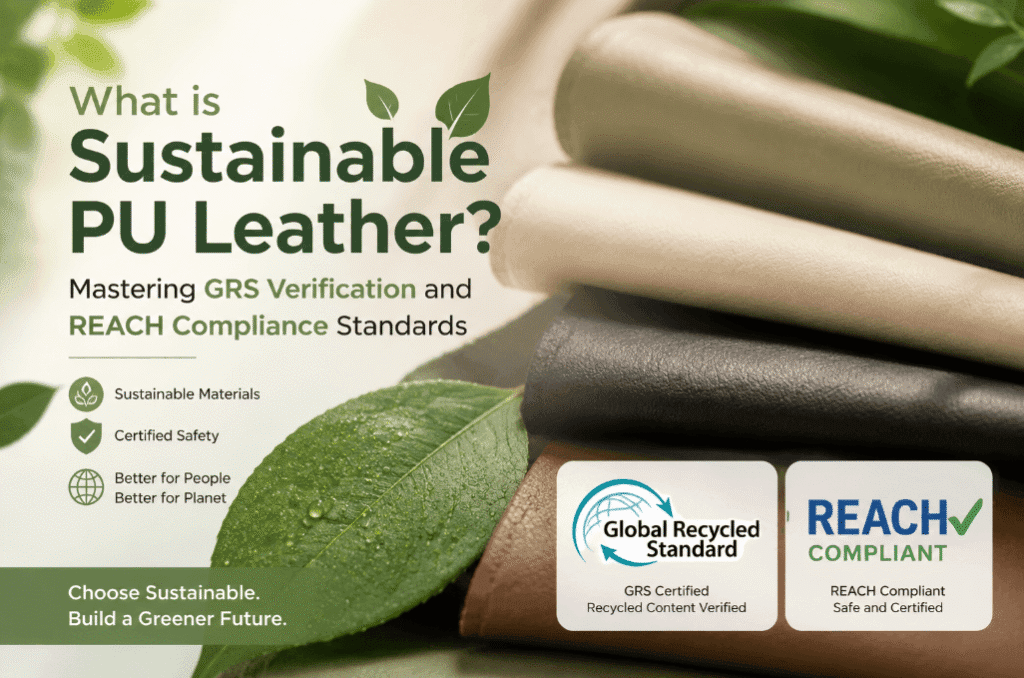
For B2B buyers exporting finished goods or importing raw fabric rolls into the European Union, sourcing verified sustainable PU leather that meets REACH compliance is an absolute legal gateway. REACH stands for Registration, Evaluation, Authorisation and Restriction of Chemicals. It is a stringent European Union regulation designed to protect human health and the global environment from chemical-induced risks.
The Danger of Non-Compliance
Standard or low-tier synthetic fabrics frequently fail customs inspections due to elevated levels of heavy metals, restricted plasticizers (phthalates), or high concentrations of residual DMF. If an imported batch of furniture or footwear is audited and found to violate REACH thresholds, customs authorities have the legal right to seize the entire shipment, issue devastating financial penalties, and enforce a public recall, destroying brand equity overnight. This is why working with an audited sustainable PU leather manufacturer is paramount.
How Certified Sustainable Factories Guarantee Compliance
A verified sustainable PU leather manufacturer manages chemical inputs from the very beginning of the supply chain. At Taite Leather Group, every batch of chemical resin undergoes rigorous screening for Substances of Very High Concern (SVHC). Independent third-party laboratories, such as SGS or TÜV Rheinland, routinely test our materials to ensure they comfortably sit well below the strict legal limits (e.g., ensuring residual DMF is below 1000 ppm or completely undetectable). Sourcing REACH-compliant sustainable PU leather guarantees a frictionless customs experience and absolute consumer safety during prolonged skin contact.
3. Mastering the Global Recycled Standard (GRS) Framework
While REACH acts as a shield against toxic chemistry, the Global Recycled Standard (GRS) is the ultimate verification tool for material origin and corporate ethics. GRS is an international, voluntary, full-product standard that establishes rigorous third-party certification requirements for recycled content, chain of custody, social and environmental practices, and chemical restrictions. To market true sustainable PU leather, achieving this certification is essential.
When a B2B buyer purchases GRS-certified sustainable PU leather, they are securing a fully transparent paper trail that guarantees four core pillars of industrial responsibility:
| GRS Pillar | Technical Requirement & Guarantee for Sustainable PU Leather |
|---|---|
| Material Traceability | Guarantees that the recycled polyester backing (rPET) can be traced directly back to vetted recycling facilities, confirming the exact percentage of post-consumer waste used in the final sustainable PU leather roll. |
| Environmental Management | Monitors the manufacturing entity’s resource usage, demanding advanced wastewater treatment systems, strict energy-saving metrics, and responsible sludge disposal during the production of sustainable PU leather. |
| Social Responsibility | Enforces strict labor laws, guaranteeing safe working conditions, fair wages, regulated working hours, and the absolute prohibition of child or forced labor across all eco-friendly factories. |
| Chemical Restrictions | Prohibits the use of hazardous chemicals during the recycling and compounding stages of sustainable PU leather, aligning seamlessly with ZDHC (Zero Discharge of Hazardous Chemicals) protocols. |
The most critical component of GRS procurement is the **Transaction Certificate (TC)**. A legitimate factory must issue an official TC for every individual shipment. This certificate verifies that the specific volume of sustainable PU leather you purchased legally matches the recycled material flow throughout our manufacturing plants.
4. Balancing Sustainability with Extreme Physical Performance
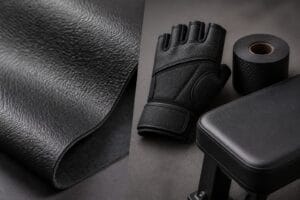
A common misconception among traditional procurement teams is that eco-friendly materials sacrifice durability. In the commercial B2B landscape—especially for high-wear environments like luxury sofas, office seating, and automotive upholstery—material failure is not an option. Premium sustainable PU leather is intentionally engineered to equal or surpass conventional alternatives in several vital performance categories.
- Exceptional Hydrolysis Resistance: By using high-grade, pure water-borne or solvent-free polycarbonate resins, our high-performance sustainable PU leather series passes the rigorous 5-to-10-year Jungle Test. This ensures the leather will not crack, peel, or degrade when exposed to humid tropical climates or intense daily sweat over a decade of continuous use.
- High-Tier Abrasion and Scratch Resistance: Our eco-friendly fabrics comfortably withstand 50,000 to over 100,000 continuous rubs on the Martindale Abrasion Test. This robust structural integrity keeps the premium sustainable PU leather grain texture flawless against abrasions from keys, pet claws, rivets, and heavy consumer friction.
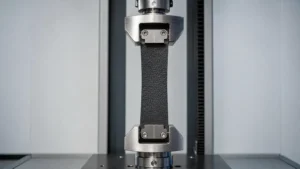
- Tailored Physical Elasticity: Whether backed with a dense microfiber substrate or an ultra-plush knitted cotton fabric, the tensile strength and tear resistance of our sustainable PU leather are customized to handle intense upholstery stretching, clean tufting, and smooth sewing without structural distortion.
5. B2B Checklist: How to Successfully Audit a Sustainable PU Leather Manufacturer
Before locking in a long-term supply agreement with an international factory, volume buyers should execute a thorough auditing process using this specialized technical checklist to verify their sustainable PU leather capabilities:
- Verify the GRS Scope Certificate (SC): Ensure the factory’s Scope Certificate for sustainable PU leather is active, unexpired, and explicitly names the manufacturing of synthetic leather or polyurethane composite materials under their approved production scope.
- Demand Recent Third-Party Lab Reports: Request full test documentation from globally recognized testing houses (SGS, Intertek, or TÜV) dated within the last 12 months. Pay close attention to SVHC testing, heavy metal migration, and total VOC emission volumes from the sustainable PU leather production lines.
- Evaluate Global Multi-Factory Scalability: Verify that your manufacturing partner possesses the operational scale to navigate localized energy regulations or supply chain anomalies. Relying on an enterprise with decentralized, multi-factory networks ensures uninterrupted delivery schedules for mass-volume sustainable PU leather product rollouts.
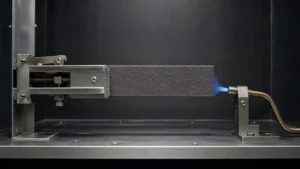
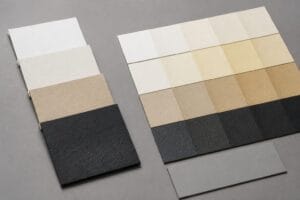
- Request Custom Physical Property Tuning: A professional sustainable PU leather manufacturer should easily adjust material parameters—such as matching a specific grain texture (e.g., fine nappa, pebble, or crocodile leather patterns), adjusting thicknesses between 1.0mm to 1.6mm, or modifying chemical formulations to meet regional flame-retardant laws like BS5852 or Cal 117.
6. Partner with Taite Leather Group for a Greener Tomorrow
As brands around the globe work toward ambitious carbon-neutral goals, selecting a transparent, deeply experienced raw material partner is paramount. Taite Leather Group blends massive global manufacturing capacity—powered by our four specialized factories—with cutting-edge, chemical-free production lines. Our water-based and solvent-free sustainable PU leather portfolios are fully certified, highly durable, and completely optimized to fulfill the rigorous demands of premium international brands.
Don’t let compliance questions slow down your product development cycle. Contact our technical B2B engineering team today to discuss your specific physical requirements, request comprehensive sample swatch books, or secure your necessary GRS and REACH compliance documentation for your next sustainable PU leather collection.