



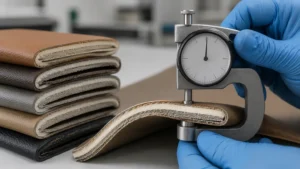




Mixing leather and fabric sofas means combining these materials in your living room, either by having separate sofas of each type or choosing a single sofa with both materials. This approach allows you to enjoy leather’s luxurious, easy-to-clean surface and fabric’s cozy, varied patterns.
Benefits and Design Tips
- Leather is durable and stain-resistant, perfect for high-traffic areas, while fabric offers comfort and color options, making it great for cozy spots.
- To mix them, choose complementary colors—like a neutral leather sofa with bold fabric chairs—and use throws or rugs to tie the look together.
- Ensure the styles match, such as pairing a modern leather sofa with clean-lined fabric pieces.
Care Considerations
Leather needs conditioning to prevent cracking, while fabric may need regular vacuuming and spot cleaning. Protect both with appropriate cleaners to maintain their condition.
Introduction and Importance
Mixing leather and fabric sofas in your living room can be a fantastic way to achieve a balanced, stylish, and functional space. Leather offers durability, a luxurious look, and easy maintenance, while fabric provides comfort, a wide range of colors and patterns, and often a lower cost. By combining both, you can enjoy the best of both worlds, creating a room that’s both practical and inviting. However, achieving a harmonious mix requires careful consideration of color, texture, style, and functionality. This guide explores how to successfully incorporate leather and fabric sofas into your home decor, providing detailed tips, benefits, and inspiration to help you design a space that reflects your personal taste and lifestyle.
Understanding Leather and Fabric Sofas
Leather sofas, typically made from animal hides, embody timeless elegance and luxury, adding sophistication to any living space. They are known for their durability, water resistance, and ease of cleaning, making them ideal for high-traffic areas or homes with pets and children. Fabric sofas, on the other hand, offer a softer, more inviting feel, with options ranging from cotton and polyester to velvet and tweed. They provide a wide variety of colors, patterns, and textures, allowing for greater customization and comfort. The challenge lies in blending these two distinct materials to create a cohesive and visually appealing room, especially given their different maintenance needs and aesthetic qualities.
Benefits of Mixing Leather and Fabric Sofas
Research suggests that mixing leather and fabric sofas offers several advantages, enhancing both the functionality and aesthetics of your living space:
- Durability and Easy Maintenance: Leather is renowned for its longevity and resistance to stains, making it ideal for high-traffic areas. Fabric, while requiring more care, offers a softer, more inviting feel, ensuring a versatile seating arrangement that can withstand daily use while remaining comfortable.
- Aesthetic Variety: Combining leather and fabric allows you to play with different textures and colors, adding depth and interest to your living space. You can create a focal point with a bold leather piece or use fabric to add warmth and pattern, creating a visually dynamic atmosphere.
- Cost-Effectiveness: Leather sofas can be quite expensive, so mixing with fabric can help you incorporate the look of leather without breaking the bank. For example, you might choose a leather sofa as the centerpiece and pair it with more affordable fabric armchairs.
- Functional Flexibility: You can choose leather for areas that need to withstand more wear and tear, such as seating areas near the door, while using fabric for less-used spaces or for a cozier atmosphere, like reading nooks. This combination ensures your living room is both practical and inviting.
Design Tips for Mixing Leather and Fabric Sofas
Achieving a harmonious mix involves careful planning and attention to detail. Here are some practical tips to guide you:
- Color Coordination: Choose colors that complement each other to create a cohesive look. Neutral leather sofas (like black, brown, or cream) pair well with a variety of fabric colors, from soft pastels to bold hues.
- Texture Balance: Leather’s smooth surface contrasts beautifully with the softness of fabric. Consider the weave and feel of the fabric to ensure it complements the leather without overwhelming it.
- Style Cohesion: Ensure that the overall style of your furniture matches. For example, if you have a mid-century modern leather sofa, pair it with fabric pieces that have clean lines and similar design elements.
- Accessories as Unifiers: Use throw pillows, blankets, and rugs to tie the leather and fabric pieces together. Area rugs, wall art, and décor can also emphasize design elements and link different pieces within the room.
- Layout and Proportion: Consider the size and shape of your sofas. A large leather sectional might dominate the room, so balancing it with smaller fabric chairs or ottomans can create a more proportional look.
- Use Patterns Wisely: If you’re mixing patterns, ensure they complement each other. Use a common color thread to tie them together, such as a throw pillow that incorporates both the leather’s color and the fabric’s pattern.
- Consider the Room’s Lighting: Leather can reflect light differently than fabric, so consider how natural and artificial light will interact with your furniture choices.
- Focal Points: Decide which piece will be the focal point. Often, leather sofas make strong statements due to their sleek appearance, so you might want to let them shine while using fabric for secondary pieces like armchairs or ottomans.
- Seasonal Changes: Fabric sofas can be more versatile for seasonal decor changes, as you can easily swap out throw pillows and blankets to match different themes.
Care and Maintenance
Consider the different care needs of leather and fabric to ensure longevity:
- Leather Care: Regularly condition leather to keep it supple and prevent cracking. Clean spills immediately with a damp cloth, and use leather cleaners for deeper cleaning.
- Fabric Care: Follow the manufacturer’s instructions for cleaning. Vacuum regularly to remove dust, and spot clean stains as they occur.
- Protective Measures: Consider using protective sprays on both leather and fabric to guard against stains and spills.
Common Mistakes to Avoid
To ensure a successful mix, avoid these common pitfalls:
- Clashing Styles: Avoid mixing drastically different styles unless you’re going for a very specific eclectic look.
- Ignoring Scale: Ensure that the sizes of your furniture pieces work well together.
- Neglecting Maintenance Differences: Remember that leather and fabric require different care routines.
- Overdoing It: Don’t mix too many different materials or patterns, as it can make the room look busy and uncoordinated.
Examples and Inspiration
Here are some ideas to inspire your design:
- Modern Mix: A sleek black leather sofa paired with gray fabric armchairs and a patterned rug can create a contemporary look.
- Traditional Elegance: A brown leather Chesterfield sofa with tufted fabric ottomans and wingback chairs in a complementary fabric can evoke a classic, timeless feel.
- Eclectic Vibes: Mix a vintage leather sofa with bold, patterned fabric chairs and eclectic accessories for a unique, personalized space.
Where to Find Mixed Leather and Fabric Sofas
Many furniture retailers offer sofas that combine leather and fabric, either as standard options or through customization. You can also work with local upholsterers to create custom pieces that suit your exact needs and preferences.
Conclusion
Mixing leather and fabric sofas can transform your living room into a stylish, comfortable, and functional space. By carefully considering color, texture, style, and maintenance, you can create a harmonious blend that reflects your personal taste and lifestyle. Whether you’re aiming for a modern, traditional, or eclectic look, the key is to balance the elements and let your creativity shine. With these tips, you’re well on your way to designing a living room that’s both beautiful and practical.